Everything You Need To Know About Small Dogs

Small dogs like pugs for sale in Colorado can be great, friendly and loving companions, but they aren’t without their quirks. From how much exercise they get to the food that they eat, small dogs are full of unique needs that might not be required of larger breeds. You’ll want to read up as much as possible about the type of breed you’re looking to acquire, but in a nutshell, here’s everything you need to know about small dogs.
They Don’t Know How Small They Are
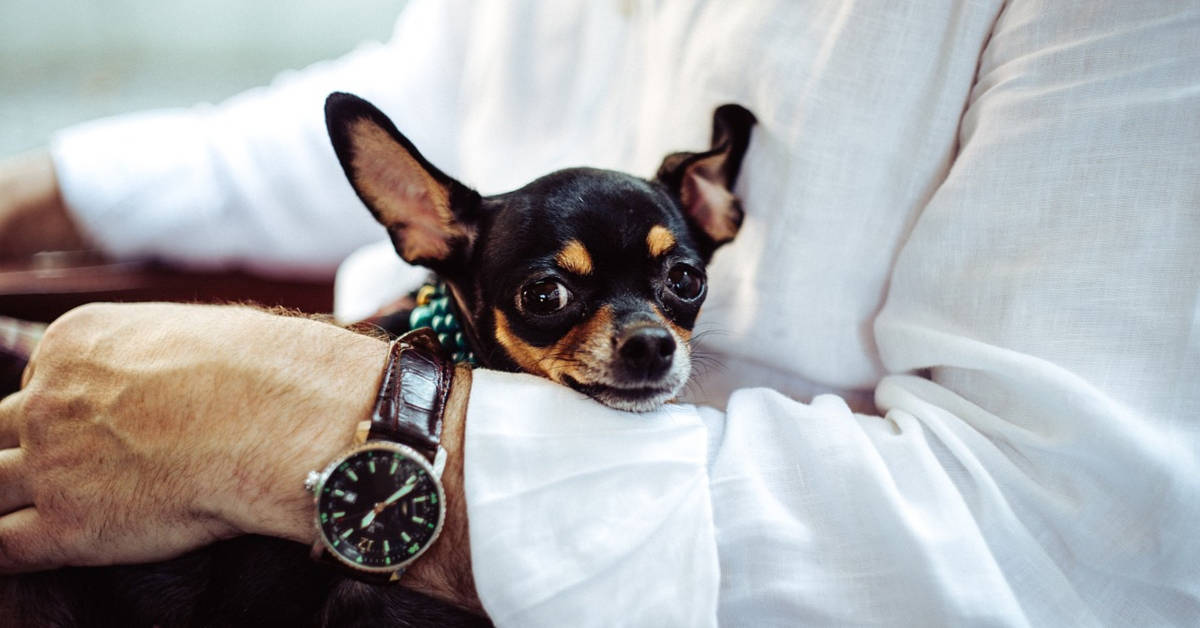
If you’ve ever seen a Chihuahua perched on a windowsill barking furiously at the mailman, then you’re probably aware that little dogs aren’t always aware of their size. While they might have an ego that more than makes up for their proportions, it means they can sometimes find themselves in trouble. You might want to keep an eye on your pup if they’re territorial and tend to start fights with other dogs. While your dog might think he’s the size of the Alaskan Malamute down the street, she’s not, and she might get seriously hurt if she gets into a fight.
They Have Different Nutritional Needs
Small dogs don’t need to eat the same food as large dogs, mainly because their metabolism tends to be faster, and walking takes more energy because they need to use more strides to get around. All small dogs have different nutritional needs, and if they’re exercising daily this will only increase their nutritional requirements. When walking your dog like beagles on a daily basis, you’ll want to do research on what kind of food to use. Using other’s knowledge and experience is going to be an asset regardless of the breed you’re trying to nourish.
Kids Might See Them As A Toy
You can’t really blame kids for seeing smaller dogs as toys, given the fact that stuffed animals in all shapes and sizes are meant to symbolize them. Cats may become a victim to this as well as small dogs. Young children who haven’t developed a capacity for impulse control might treat your small dog as a toy and potentially hurt them. Make sure you talk to your children about this concept and you let them know what is and isn’t acceptable behavior when it comes to taking care of the pet. You’ll still want to keep an eye out just in case, but eventually your children will take on a better sense of how to treat your furry loved one.
They Still Need Exercise
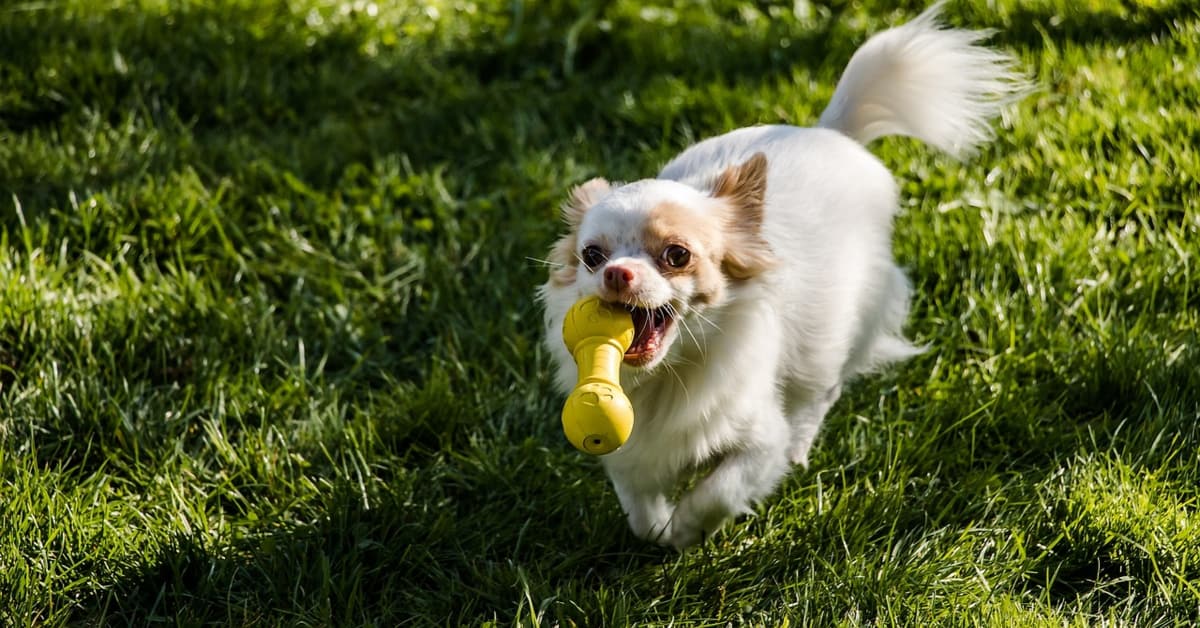
Just because your pup might seem like they’re completing a marathon just walking from one end of the house to the other doesn’t mean they aren’t excused from exercising. Small dogs have a ton of energy and they need to expend it. They might become more tired after walking for a smaller period of time than a large dog, so think about shorter bursts of activity. Walking your small dog around the block a few times (depending on its size) should be enough activity, and give them a chance to enjoy the outdoors and spend time with you.
They’re Protective (Very Protective)
The protective qualities of smaller dogs tend to come into play because of their delusional perspective on their own size. They might see people (or animals) larger than them as an immediate threat and behave accordingly. You’ll want to train your pup to have as many playdates with other dogs and people from very early on. This will help adjust them to the process of understanding that not everyone who walks into your home is a threat to the household and reduce their protective impulse. You’ll want to especially focus on this if you have any small children visiting who might be more likely to provoke this form of instinct.
Small dogs don’t know how small they are and they’re going to behave like they’re a ten ton truck, make sure they don’t get themselves into any trouble. Be mindful if you have young ones around the house who might be prone to treating your animal like a toy, and have a talk with your kids about this. Do some research on what kind of nutritional needs are required of the breed you have and make sure they have access to water at all times. Socialize your puppy as much as possible in the early stages so they don’t feel the need to be overprotective, and make sure they’re getting lots of exercise. All that’s left is to enjoy your time with your furry (little) friend!