Things to Know About Pregnancy and Childbirth in the Age of COVID-19

Even during the absolute best of times, giving birth to a baby is an emotional process fraught with uncertainties. In the aftermath of the COVID-19 crisis, the uncertainty levels have increased. So have the anxiety levels for many women who are either pregnant or considering starting a family.
While it isn’t an easy time to fall pregnant or give birth, motherhood is still one of the most meaningful roles a woman could assume in life. Many women are choosing to start families now, despite the increased challenges. If you’re pregnant or considering the possibility of starting a family or having another baby, you’ll want to take the following things into consideration as you plan your family’s future:
Maternity Ward Procedures Have Changed in Response to COVID-19
In response to COVID-19, many healthcare facilities have made dramatic changes to their daily operating procedures. Maternity wards have been affected by these changes in a number of ways, many of which serve to make the birth experience even more challenging than it used to be.
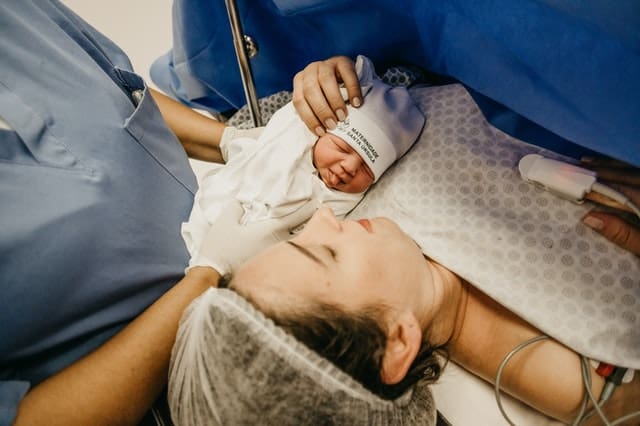
In the past, frequent in-person visits for antenatal care were the norm. Now it’s more typical for antenatal visits to happen via Zoom or other teleconferencing technologies, and they may be less frequent than they used to be.
Officials at many Australian hospitals are now limiting the numbers of support persons and visitors who are permitted to enter maternity wards. In Victoria, the typical current limit is one support person during the childbirth; on days following the childbirth, that person is only permitted to visit mum and her new baby for two hours. In some locations, women can’t have any support partners at all.
It’s now commonplace for women to be discharged from the hospital earlier than they would have been previously following a normal and uneventful delivery.
One of the latest controversial changes: Women are now being banned from taking showers or immersing in water during labour and delivery.
Public Hospital Birth Is Not Your Only Option
Understandably, since the onset of the COVID-19 crisis, sizable numbers of women have been more reluctant than ever before to deliver their babies in public hospitals.
Some have concerns that they’ll go to the hospital healthy and contract the virus there, or that their newborn will become sick with the virus.
Others are feeling devastated by the restrictions being placed on them, and disappointed that they will not be able to have the birth experience that they really wanted. Many women would choose to be attended by a doula and to also have multiple loved ones present at the time they give birth. The current situation robs them of this possibility.
As a result, there has been a surge in demand for birthing options other than public hospitals. Other options are indeed available.
One possibility is to enrol in a private health fund and give birth in a private hospital. If you have concerns regarding sharing a room with others after your delivery, this could be an attractive option to consider.
One drawback with this option is that health funds in Australia generally require a 12-month waiting period between the time of enrolment and the time you’re able to submit a claim to be reimbursed for maternity care expenses. So, unless you are able to pay for your care out of pocket, this is only a viable option if you haven’t already become pregnant.
If this option is of interest to you, you can use the services provided by the experts at the Compare Health Insurance website to find a suitable health insurance policy that includes cover for maternity care.
For limited numbers of Australian women, giving birth in a natural birthing centre is an option. The majority of these facilities are associated with public hospitals, and the care is frequently covered by Medicare. Some private health funds may also cover the services offered via natural birthing centres.
Homebirth in Australia has historically been a controversial choice, but it has now become much more popular in the wake of COVID-19. This is possibly the most attractive current option for women who want to be supported by multiple people during the birthing process. There are very few areas in Australia where home births are supported by public Medicare, but some programs do exist. It is also possible to hire a private homebirth midwife.
In locations where it is legal to do so, it is also possible to hire an unregulated birth worker (UBW). However, this practice is generally regarded as unsafe, worrisome and less than ideal. Notably, this is not an option in South Australia, where UBWs are legally prohibited from providing midwifery services.
Motherhood Is Worth the Challenges

Childbirth has always presented tough choices and an abundance of challenges for women to endure. Most mums would agree the end result is worth it despite the pain, anxiety and uncertainties to be navigated during the journey to motherhood. COVID-19 has certainly amplified the existing challenges and introduced new ones, but in the end, the final outcome is no less worthwhile.