The Pink Elephant Support Network & Pregnancy Loss: Interview with Sam Payne

Silvia spoke with Sam Payne, Founder and CEO of the Pink Elephant Support Network, which supports families who went through pregnancy loss.
Listen to our interview with Sam, or go to the bottom of this post for the podcast transcript:
Subscribe to the Unperfect Parent Podcast on Apple Podcasts, Spotify, Stitcher, Pocket Casts or wherever you listen to podcasts!
Transcript
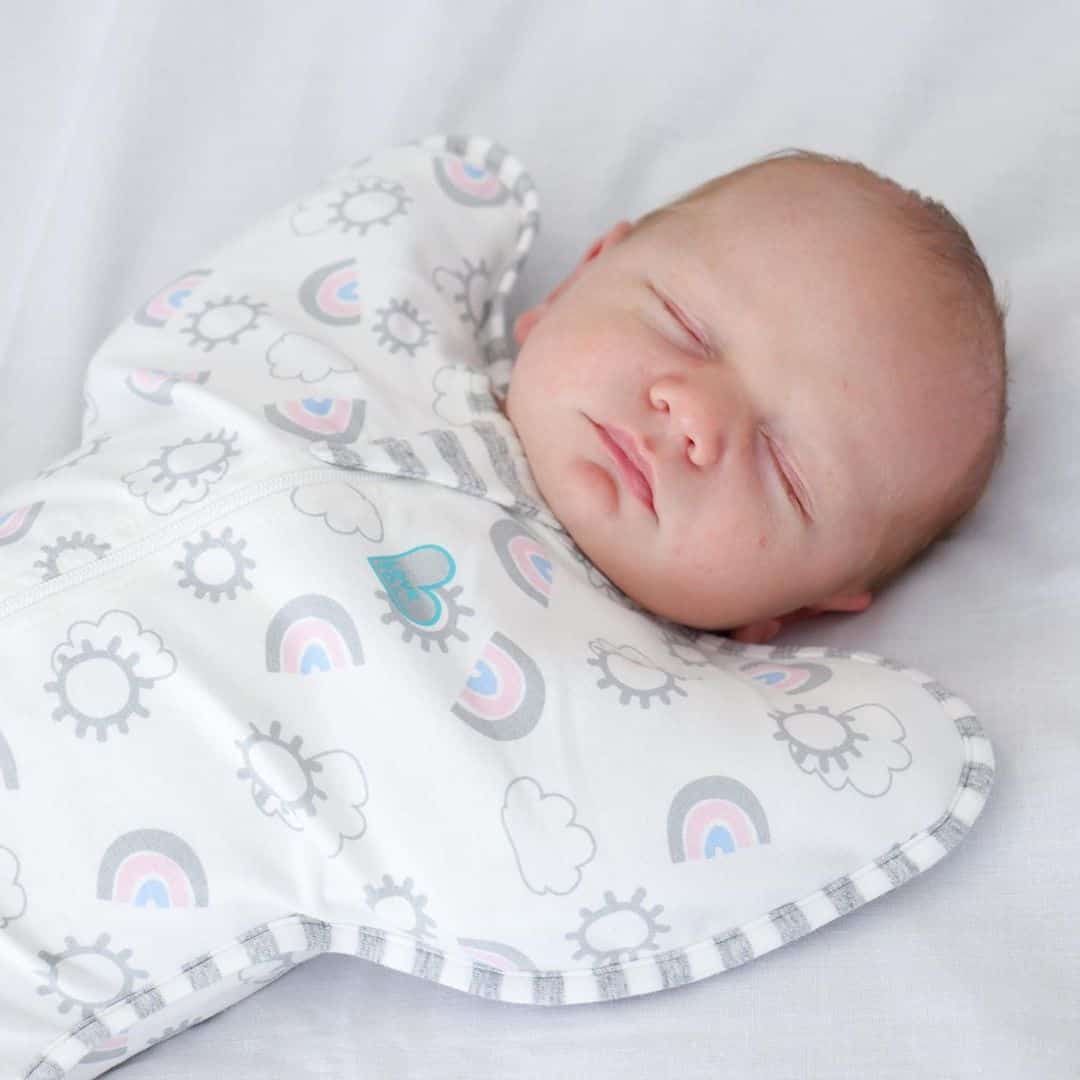
Mark: Hi, it’s Mark here. In this episode of The Unperfect Parent podcast, Silvia caught up with Sam Payne, founder and CEO of The Pink Elephants Network which supports families who went through pregnancy loss. This month, The Pink Elephants has partnered with Love to Dream, which has created a special rainbow swaddle up to honour babies who were lost, as well as rainbow babies – those who are born after a loss. Through this fundraising, for every purchase of the rainbow swaddle up, $5 goes to The Pink Elephants. You can find out more details and links on our website. Now, off to Sylvia and Sam.
Silvia: Good morning, Sam. Thank you for joining us today to talk about pregnancy loss. So, this month is Pregnancy Loss Awareness Month. And I’d like to start this podcast by asking you – when you’re a younger woman, so before kids were on the radar, what did you know about pregnancy loss? What do you hear about it?
Sam: Not a lot. I wouldn’t have heard anything about it. It’s not something that’s really discussed very openly or frequently. It’s not something that you receive any education for. In school, you’re given the education of go on the pill…
Silvia: That’s right, yes.
Sam: …you’re never given the whole, “Oh, but you may have difficulties falling pregnant” and you’re literally told that if you have sexual, you will fall pregnant.
Silvia: (laughs)
Sam: (laughs) Honestly, when I educate around our most fertile years or anything like that at all… So no, I had literally zero awareness of pregnancy loss or anything to do with even reproductive. I think you’re told in sex ed, ‘how not to fall pregnant’ was my experience – see mums in the UK – how to put condom on a banana was probably as far as it got.
Silvia: (laughs)
Sam: (laughs) Literally nothing that was of real any use to me really to be perfectly honest.
Silvia: What was your journey towards parenting life? Sounds like very different to what the education told you.
Sam: Yes, yes, don’t I think. No, it’s probably what they told you to do, it was. That you need to have a career first, you need to do this and you can work really hard and have any outcome that you want. And that’s… I was obviously a child of the 80s and the 90s, and that’s what I did. I graduated from university, I traveled the world, I moved to the other side of the world and I worked hard and I had a real strong sense of control over my life. I got married and we decided to have a child. My first daughter came really easily. Three months after falling off the pill, I then fell pregnant with her. Had a normal pregnancy and had a long delivery but was never really my issue. She arrived safely was the main outcome and yes, parenthood started quite well for me. Fairly easily. And then I tried to have a second child and then that’s when I really started to struggle and lose control. That’s when it starts looking like everything I’d been told as a younger… That’s when there was an unexpected journey into becoming a parent. And whilst I was already a mum, I was yearning for a sibling for Georgie. We were both very, very ready and we were trying to have a second child and we fell pregnant again fairly easily but unfortunately, we lost that baby about eight to ten weeks and we had what’s known as ‘miscarriage’. That’s whereby you lose a pregnancy without being aware of it. So I still have pregnancy symptoms and I went into a routine scan, and they couldn’t find a heartbeat. Complete shock. It wasn’t something I was expecting. I was devastated. And again, had a complete lack of awareness of miscarriage. That it could happen to me because I already had a child. So how could this happen? So it’s been a really difficult period.
Silvia: At that time, could you tell when you’re pregnant with your second child, did you…
Sam: Yes.
Silvia: …had a miscarriage or are you open about it?
Sam: Very. I’ve never really been someone that’s into a 12-week rule at all. I could never wrap my head around the point in it. And I’m quite an open person that shares everything. I wear my heart on my sleeve. And so as soon as we were pregnant, we were ecstatic. We were like, “Okay, awesome! We’re going to have baby number two, it will be in March. Georgie will be two and a half at that point, that’ll be a really nice age gap. She will just to start at daycare because she wasn’t in daycare yet. We’d have another baby on the way and life was looking great!” And then literally, like I said, eight to ten weeks later, I suffered the loss. I was very vocal about it. One of the things that shocked me was that all of a sudden, all of my friends were like, “Yes, I’ve had one, too” “Yes, no, I’ve had a couple of miscarriages” “Yes, yes, me too” and I was like, “Why don’t I know about this? Why haven’t we talked about this? You are meant to be a really close friend and I have no idea you’ve gone through this!”
Silvia: Wow. What was it like to grief under those circumstances where your friends were not open about it? I suppose it’s fair to say society is not open talking about it.
Sam: Yes. I think it’s fair to say society is not open about talking about it. My friends, once I confided that I’d had a loss, then had the confidence to share their loss…
Silvia: It opened the door.
Sam: …open and I had a really good support network that way. But it was short lived because you’re expected to be better literally a week later, and no one then mentions it. It’s within that first week of grief. It’s almost like you’ve given your “Oh, that’s really awful, you’ve lost your baby to miscarriage. I’m sorry for you” or you did have some bad sayings as well like “At least you know you can get pregnant” or “At least you already have a child” and I was like “Oh at least I’ve just lost my baby”. But I kind of looked at it on one side and see that they were just trying to console me. But then literally a week, two weeks later, I was expected to be back to my normal self. So I had to internalize all of those negative emotions and that isolated me further because I felt like I couldn’t relate because I kept being told that miscarriage was common. So therefore, I knew I had to get over it quickly. But I didn’t understand how all of my friends had gone through this, and were absolutely fine. What I’ve since learned with the years of working in this space is that actually, a lot of people are not okay and they’re just putting a really brave face on it externally.
Silvia: You went on to fall pregnant again after that experience. Can you take us through that?
Sam: Yes, I actually had another miscarriage afterwards so I had two miscarriages and the second miscarriage was the natural miscarriage where I began to bleed and that was a different journey altogether. So I went through six months of hell and torture to be perfectly honest, where I doubted I’d have another child. I was angry at my body. I had self-blame, which is all totally normal, but nobody tells you this so I didn’t know it was normal. I honestly thought I was going crazy. And then yes, I was very lucky that Johnny did come and he’s now two and a half years old. But I have to go through nine months of sheer torture being pregnant again, but not believing that not would lead to the outcome of the baby is excruciatingly painful. Mental torture. One day you can start to begin to feel some joy, and then the next day you’ll feel a twinge and you’ll believe (you’ll lose that) baby all over again. It’s another thing that we don’t talk about enough probably in society because if miscarriage impacts 103,000 couples a year in Australia and 80% of those women are going to have a healthy full-term baby, a rainbow baby, which is such a special celebration. But they still have to go through nine months to get to that baby, and those nine months are so painful. They need a lot more support and that’s what our support network offers.
Silvia: Yes, so can you tell us about your work because all your personal journey led to your work with The Pink Elephants. Can you tell us what is Pink Elephants and what you do?
Sam: Totally. So within an elephant community, the more that elephant loses her baby, the other elephants form a circle of support around her. And that’s what I felt was lacking when I was going through my journey of losses. After I connected with Gabby, who had also been through her journey of miscarriages with her partner, we decided to create a support network that would address that gap and that would offer women and their partners validation, empathy and connection to other women who were also going through a similar journey. So in the last three and a half years, we’ve built a charity. We’ve created amazing support resources, which are all available on our website for free to download. There were also written from lived experience, women who’ve been there, and they also offer support to friends and partners and how to support a loved one through this too, because we identified that was a gap as well – the education. Then we launched our online communities where you can connect with other women who’ve been through early pregnancy loss at different stages.
Silvia: Yes, so is that like a…
Sam: Groups via Facebook?
Silvia: Yes.
Sam: Basically, you’ve got an online support group for miscarriage support, then you’ve got another one for preconception when you’re trying to conceive again after the loss, and then the third, which is for pregnancy after loss, that time, that’s really difficult and full of anxiety (without) anywhere else to turn. We also run a peer support program where we can connect you to ambassadors who have gone through last themselves who can mentor you through the journey and just hold your hand and just validate that what you’re feeling is okay, and it’s normal to be feeling the way that you’re feeling.
Silvia: Sounds wonderful and much needed when we think about when a person dies, we have funerals and we have all those things that you know, as said as they are, there’s a space for people to grieve when a person dies. It sounds that that space was lacking for pregnancy loss. So where you say like society tells you how you got to put those negative feelings away rather than finding a space to release them.
Sam: Yes, very much. That’s exactly how it was. And so, we’re really lucky that we’ve now supported around— well, not lucky, we’ve worked really hard to support around 15,000.
Silvia: Absolutely.
Sam: They’ve all reached out to us. But we’re just touching the tip of the iceberg because, as I said earlier, there’s 103,000 a year go through this. And there’s a massive way to go.
Silvia: Let’s say, if I take you like five years into the future, what would you like to see in changes in society?
Sam: I’d like miscarriage to be normal conversation within Australia as for termination for medical reasons, as for early pregnancy loss, whatever label we want to give an early pregnancy loss. I’d like it to become part of our discourse and that were comfortable to support other people through so then it’s not a taboo. I want bereavement leave given to every couple who goes through early pregnancy loss and that’s part of our leave for loss campaign. I’m very passionate about that. I’d like every workplace to have provisions on how to support their people through early pregnancy loss. And I would love all healthcare professionals to establish a clear referral pathway to The Pink Elephants for any patient who suffers an early pregnancy loss knowing that we can look after those emotional support needs.
Silvia: Sounds all very reasonable to me. And just to finalise our podcast, can you tell us where to find those wonderful resources and where to connect with The Pink Elephants for our listeners?
Sam: Absolutely. You can find our resources via MiscarriageSupport.org.au. All of our resources are there. We also have Clear Channel Partnerships with companies and organizations such as HealthDirect.gov.au – you can find all of our information on those sites as well. We’ve got a really strong partnership with Love to Dream – Rainbow Swaddle Up. They’ve just launched a Swaddle Up for us, which means that $5 from the sale of every Rainbow Baby Swaddle will go towards Pink Elephants. You can find those from LoveToDream.com/rainbow. There’s a lot of different ways that you can come to us now. We’re working really hard to that we’re putting ourselves where you are. In addition, we have amazing social media channels. We have our Facebook @PinkElephantSupport, Instagram’s the same handle and then we also are on LinkedIn as well for the workplace support that we offer. So lots of different ways that you can find us. Lots of different ways that you can be connected and just ensure that you’re isolated and alone in your grief.
Silvia: Thank you very much, Sam for your time today and for sharing with us all this very valuable information.
Sam: Thank you!