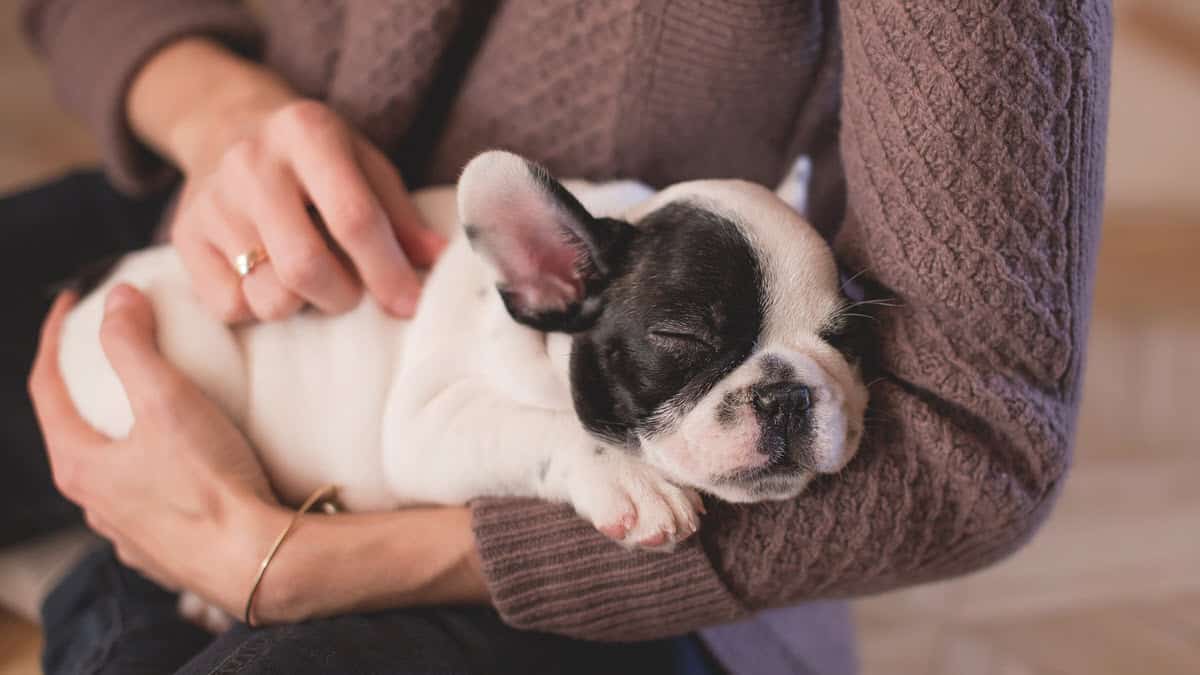
Give Your Pup The Fur-Ever Care It Needs With These Tips

If you are a dog lover, then you know how important it is to take care of them. This is your most loyal buddy, they’ll protect you with their lives, and they’ll also bring some spark into your life. Not even your closest friend can match up to these attributes. Puppies are somewhat fragile, and you must give them your best as it could help them grow better. To help you out, below are tips to help take care of your pup’s fur.
1. Happy Pup, Healthy Fur
You’ll be surprised by how much it means to have a happy canine in the house. A puppy will also be appreciative of how you treat them. This will resonate in them and grow healthier. Stress levels in dogs can cause them to shed fur. You’ll also notice a sudden change in their coat’s appearance. According to the folks at edogaustralia.com.au/, there are various ways that you can help keep your puppy happy with treats and toys. Dogs communicate in different ways depending on how they feel, their emotions, and this can be evident by how they look in terms of the fur, ear position, and tail wagging.
2. Invest In the Best Pup Supplements
To know if your puppy is healthy, the coat will be the best indicator. It needs to be shiny and soft. If you have a vet, they might consider prescribing supplements to help them with their fur issues. Below are some ingredients to check when you are in the market for the same. They include:
- Flax seed – flax seeds contain a natural source of omega 3 fatty acids that have been found to be helpful with your dog’s coat
- Fish oil – there’s a good reason why vets suggest that fish oil is good for your pup. It contains omega 3 fatty acids, and it’s also great for your pet’s brain development
- Find biotin based supplements – vitamin H otherwise known as biotin, will help nourish and replenish your pup’s fur, but in combination with other nutritional elements
3. Exercise Your Pup
Whether it’s a short walk in the park, your yard, or playing with them around the house, it could greatly help improve your pup’s overall health. This will translate into improving their fur condition. Activating them will help to ensure that whatever they’ve eaten gets to all the organs. The skin, as you might be aware, is the largest organ in any living animal. They’ll be warm after being involved in such activities, which is also good for the fur. Below are tips that could help with puppy exercises:
- Take them for walks
- Play games that will involve running
- Stimulate them mentally
- Introduce them to new pup friends at the park while taking all the precautionary measures
4. Medication
If your puppy is showing any symptoms of unhealthy furs, such as a rough coat or shedding. Ensure to take them to the vet. Your vet will prescribe to them the best medication depending on the extent of the infection or the severity of the condition. There’s medication out there that could help treat or help improve your pup’s fur. At the vet’s office, you’ll also be advised to deworm them. You could be provided with a pill or tablet. The puppy could also be given a deworming shot.
5. Wash Your Pup
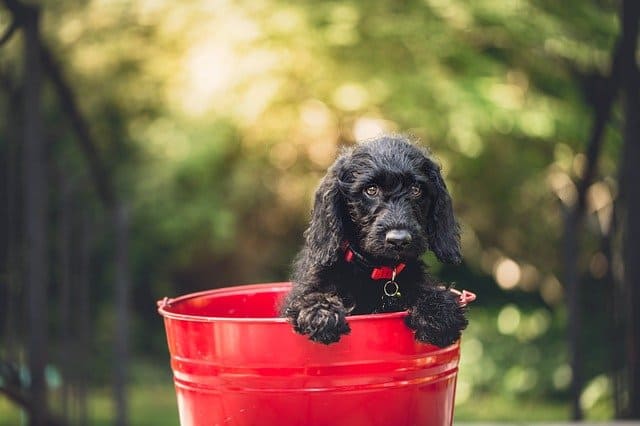
As you might be aware, puppies are playful, and they could mess around. If they are in the outdoors for long, ensure that they will be clean afterward. Accumulated dirt could make their fur seem shaggy and unkempt. Consider investing in puppy cleaning products that are safe and age-appropriate.
6. Pest Control
There are so many pests out there that could be causing your pup’s fur to look unkempt as a result of constant scratching. Ticks, fleas, and mites could be causing your dog’s fur to shed. It’s important to invest in pest control products that will help eliminate these pests. Below are some of the considerations to factor in before investing in a dog pest control product. They include:
- Safety
- Cost
- Evaluate the pests that are affecting your pup
The above are tips to help improve your puppy’s fur. If you have or are about to change their diet, consider asking the vet the best foods to feed them. This also brings an important point, and one that includes finding a good veterinarian. If the condition persists after changing the diet or medication, take them back to an experienced vet and hope for the best results.