6 Must-Know Tips for Training Your New Puppy

Bringing a puppy into your home for the first time can be a bit trying, especially if you’re not used to training dogs. Fortunately, if you know just a few things you’ll be able to make a great go at it. Read on for some puppy training tips to help you get your new dog’s training going without any tears.
Puppy Training Tips
1. Crate Training is Essential

Many people think of crate training as cruel. They’re incorrect on that end of things, done properly crate training will result in a dog that’s less anxious.
A crate becomes a dog’s den, like the one they would have dug in the wild. It’s their home space and somewhere they can retreat to if things are too noisy around the home. It’s their own little piece of the house. Make sure you find a good one.
It also allows you to keep the dog out of your hair while you don’t want them underfoot and you can put them in the crate at night to ensure that no mischief happens while you’re awake.
The main thing to remember is that the crate should never be used as punishment. Instead, you need to make sure that the dog has its own little space, and it’ll make everyone in your home’s life much easier.
2. Learn Canine Body Language

Communication with your dog shouldn’t be a one-way street. Many people expect their animals to understand them without putting in the effort to ensure they understand what their dog is “saying.”
Puppies are in a new environment, with new people, and they’re not fully developed. That means they’re not all there mentally yet either, and won’t be for a year or two. Knowing how a dog is reacting to you and your commands make it easier to train them.
The basics of canine body language are easy, and you don’t have to be the dog whisperer to get some two-way communication going. The subject is vast, but just learning the basics will go a long way towards easier training.
3. Positive Reinforcement is Key

Not only should you use positive reinforcement to train your dog… you should decide on a method early on. Some dogs will respond well to treats, but others might not need them and find a few words of praise to be satisfactory.
Once you have a method that works, stick with it. It opens the bridge and lets your dog know in no uncertain terms that you’re pleased with what they’re doing.
Negative reinforcement should almost never be used, and striking or prolonged bouts of yelling do nothing but make your dog more nervous. Remember that they’re still learning, and while it may be frustrating it will turn out better if you show as much compassion as possible during their training.
4. Consider Outside Help
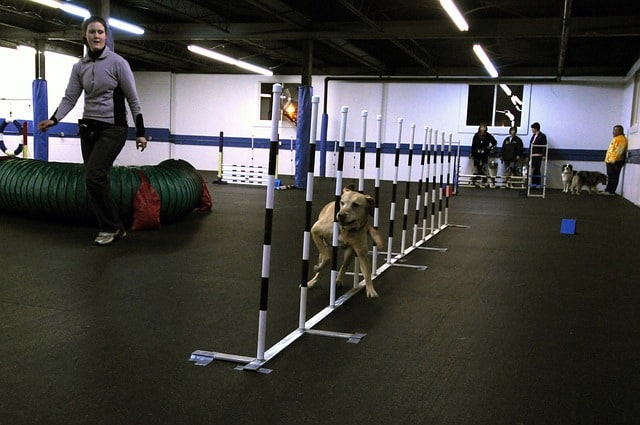
Not everyone has the aptitude to be a great dog trainer immediately, and a basic obedience class can go a long way in turning your puppy into the best dog they can be. You don’t necessarily need to delve into advanced courses, learning the basics is often enough to get started.
A dog trainer has the experience necessary to help you understand your dog as well. With the basics in place, your dog will be better behaved and more easily controlled while with you.
You may want to go for it even if your dog does do just fine with your basic training knowledge. It never hurts to learn and reinforce the basics is essential.
5. Stimulation and Exercise are Your Friends
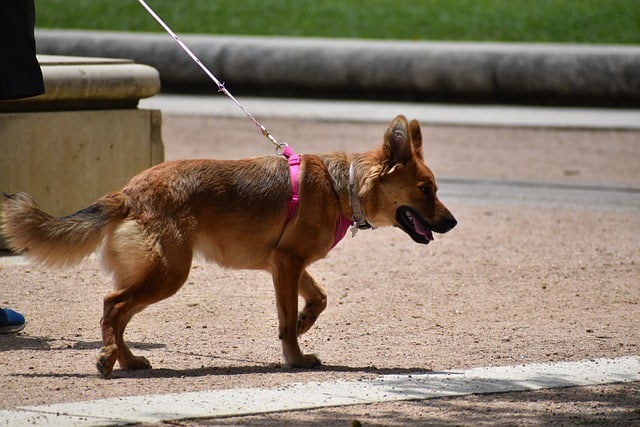
If your puppy is causing trouble, then you’re not meeting its needs. Dogs require both physical exercise and mental stimulation to remain healthy, and if you don’t provide both it will eventually lead to problems.
The good news is that when you’re dealing with puppies they get tired out from mental stimulation. A training session is almost as good as a walk at a young age, so set aside some time for training each day.
Your dog will love it, and you’ll both benefit from the stimulation. A tired dog is a happy dog, and they’ll be happy to train.

6. Be Patient and Understanding
You’ll need to be patient with your puppy. Remember that they’re the child version of a dog, they’re going to mess up due to miscommunication.
When accidents occur it’s best to determine why they happened rather than scolding your pup for instance. Did you wait too long? Is the dog anxious?
Dogs are amazing creatures, but their care and training require us to interact with them closely. If you keep your interactions positive and coming from a place of understanding then you’ll have an easier time of it.
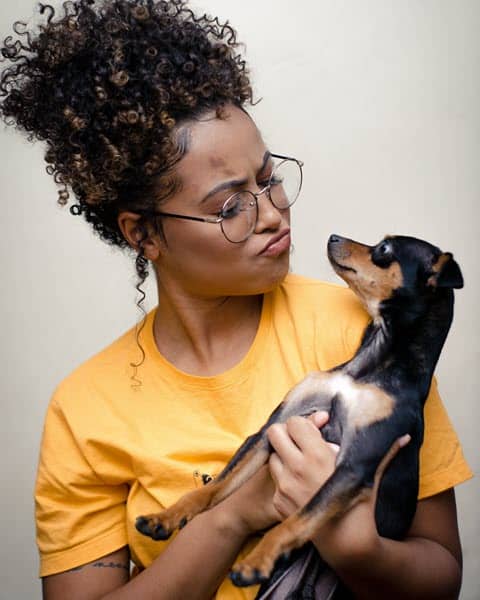
It also helps your dog remain calm. A wound-up dog is one that will create problems for you, so always try to understand your dog’s behaviour, rather than reacting to it.