DIY Steps to Resolve Low Shower Pressure Problem

After you come back home tired, all you want to do is take a hot shower and lie in your bed. Stepping into the bathroom makes you realize that you haven’t called the plumber yet to repair your shower’s pressure problem. Days have passed. Enough is enough. You’re frustrated and you need to fix it yourself today, by hook or by crook. Unless you’ve done this before, you’ll need a guide to help you fix it.
Here’s one to help you out in resolving this issue.
Detecting the problem
Before we fix the problem, we need to detect what’s causing it. Among the many factors that may be causing low water pressure issues in your shower, you can start by checking the shower fixture itself. First, check the water pressure in the taps. If it seems fine, the problem could be the height of the shower. It might be difficult for the water to climb up the hose and sprinkle water through the showerhead. Another common reason is debris buildup. If you don’t clean your showerhead regularly, the accumulated particles of limescale can block water flow, resulting in low water pressure. Or it could be due to an improper plumbing system in your house.
Higher technical issues can be problems caused by the mains water system that carries old and damaged pipes. It could also be a blockage in your home water system due to rusting or clogging, or maybe because of an undersized supply piping issue. Once you’ve figured out the main problem, you can take the necessary steps to fix the water pressure issue.
Resolving the problem
Depending on the problem, you can take the following measures to fix it:
Clean the showerhead and hose
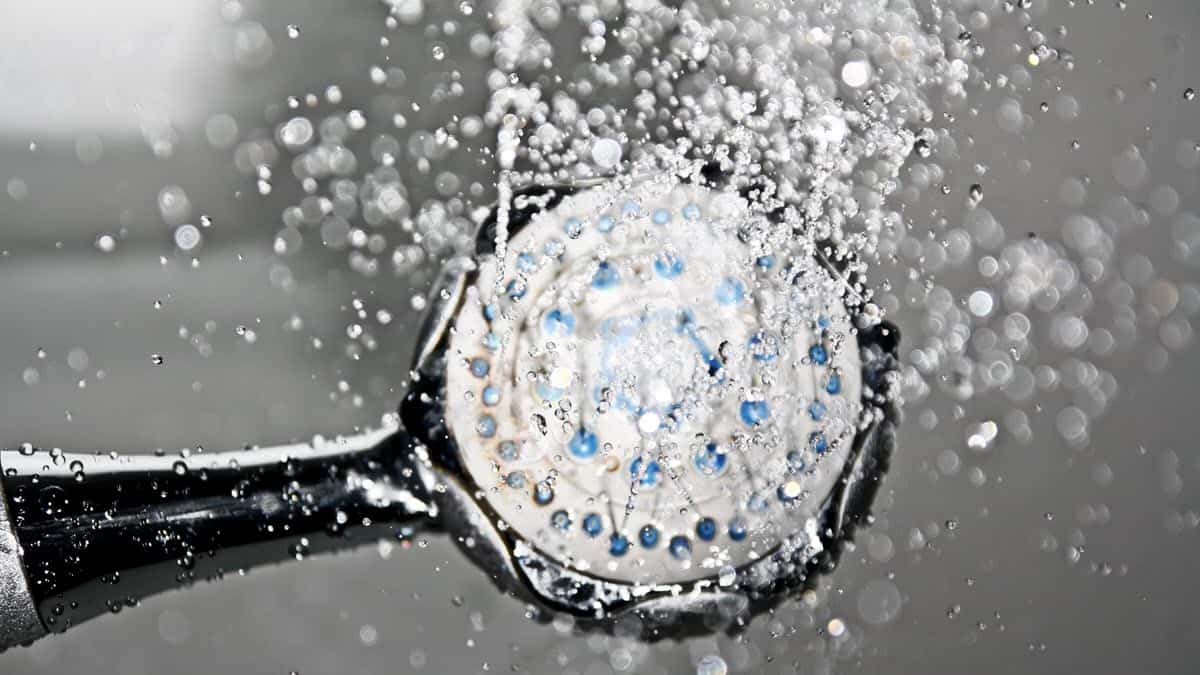
This is the most basic step you can take to begin fixing the problem. At times, not cleaning the showerhead can result in clogging of the holes due to mineral and limescale deposits. To clean it, you need to unscrew the showerhead part and remove the accumulated debris. Soak it in white vinegar overnight. It will thoroughly clean the metal, getting rid of all the dirt, and making it shiny again. If it doesn’t help, you might want to pick the dirt out using a pointed tool or a toothpick, or consider replacing the showerhead altogether.
Digging further into the problem, you need to check the shower hose. Damages or holes in the hose can result in leakages that won’t allow water to flow with appropriate pressure. If that’s the case, you need to replace it or ask the plumber to fix it.
Check and adjust the valves
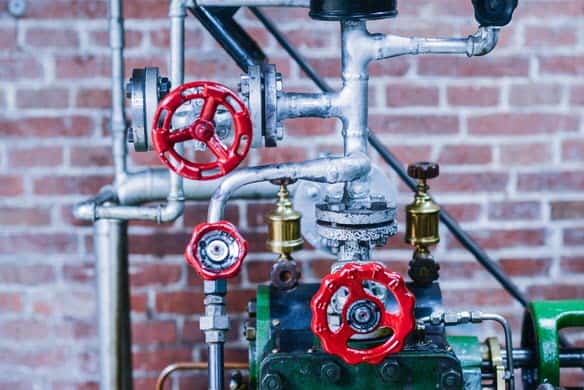
The problem could also lie in the valves. You need to check the main shut-off valve first, and see if it’s completely open. It might be shut due to previous repairs or if the house hasn’t been used in a while. To check the valve, access your basement or check the main system in front of your house entrance. Adjust the valve and check if the water pressure is fixed. Checking the home valve and the curb-side main valve should do the trick.
Consider getting a shower pump
Installing a shower pump should be your next step. It’s basically a machine that needs to be attached to your home water system. It works on the mechanism of inducing the in-built impeller to increase water pressure when it leaves the tank. It switches on when you turn on the shower and directs the pressurized water to your shower hose and showerhead. It’s an easy and cost-effective method to fix this issue. However, you might just have to check the rules and regulations before installing a shower pump as it can block and damage the main pipework.
Replace the shower valve
Apart from mixing water temperatures, the shower valve helps in directing the water flow within the shower components. You can guess the amount of stress it undergoes. Over time, it can either get damaged or accumulate a lot of calcium buildup and debris. The only thing you can do in this situation is to change the shower valve to resolve the water pressure issue.
Just to be safe, you can schedule your showers during off-hours to avoid low water pressure due to multiple uses at a time. You can also try turning off your appliances like washing machines and dishwashers that need adequate water flow. Following one of these DIY steps should solve the problem and offer you the pleasure of proper water flow in your shower once again.