Is Your Family Safe from Gas Leaks? Ways on How to Avoid It

Over 65 million homes across the US use natural gas to light their stoves, heat their water, and run other appliances. But a gas leak, at a certain level, is a potential hazard that puts you and your family at risk. You might not think that natural gas leakages are common, but they’re not that rare either. In fact, according to the Centers for Disease Control and Prevention, 500 people in the United States die of unintentional carbon monoxide poisoning every year. Actually, the older a house or a neighborhood is, the more likely you will find gas leaks in old copper lines if they haven’t been replaced with aluminum or plastic.
Gas Leakage Classification
Grade 1 Leak
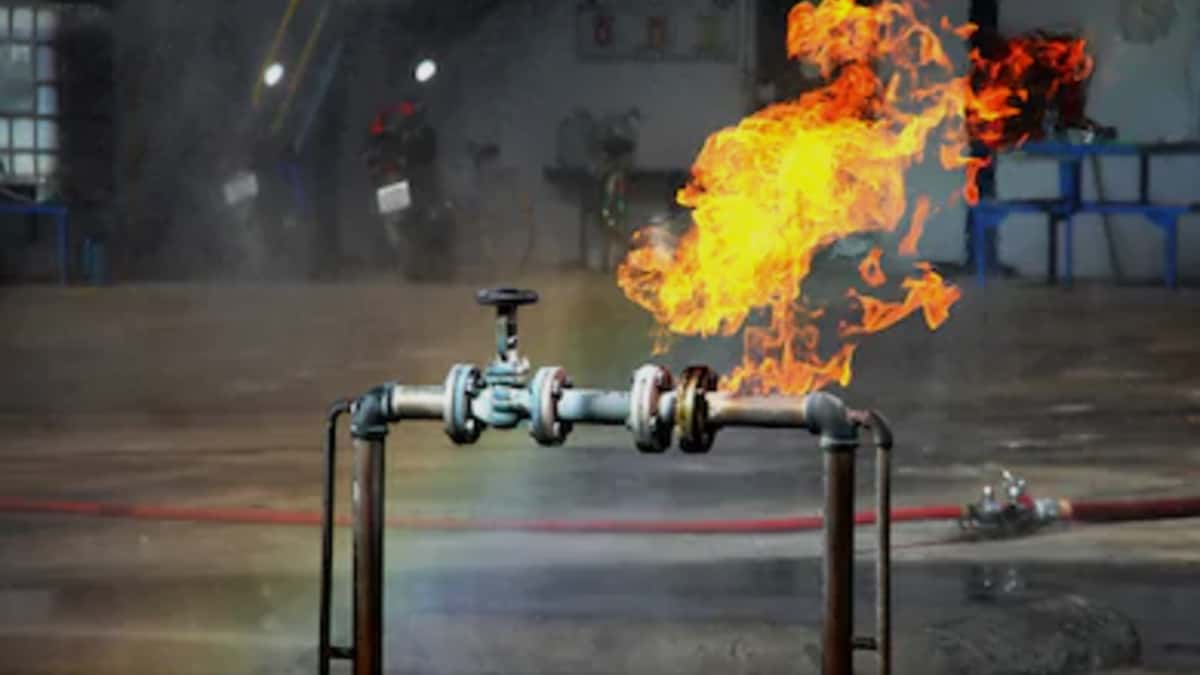
This represents a potential hazard to people and properties at the time of its detection, such as escaped gas that has ignited or an indication that the gas has traveled into a property, among other factors.
Grade 2 Leak
This classification might not be hazardous but needs to be attended to without delay. An example would be any reading between 20% LEL and 80% LEL in a confined space. LEL stands for Lower Explosive Limit and is the lowest concentration of gas or vapor, percentage-wise.
Grade 3 Leak
A grade 3 leak is harmless and is usually expected to remain harmless.
Generally, owing to the characteristics of natural gas, it’s highly combustible. By the same token, combustible material is highly flammable which can cause fire, explosion, poisoning, and other serious accidents. When fuel doesn’t burn fully, carbon monoxide is released. In small amounts, it’s harmless. Yet gas leaks can increase that amount which puts your home and those in it at risk because of potential explosion or fire.
How Do Gas Leaks Happen?
Basically, there are three main reasons why a gas leakage can happen:
Aging of Gas Pipes
Gas pipes can age the same way water pipes age and cause problems in your plumbing. The older a pipe is, the more risk it has of getting eroded and may begin to form hairline fractures.
Faulty Installation: Gas can escape if the pipes aren’t fitted securely. Hoses also need to be securely fitted to appliances that use gas. Alongside the installation, you also want to be sure that the appliances themselves aren’t faulty.
Insufficient Ventilation
Lack of ventilation can emit high levels of carbon dioxide. Carbon dioxide is the byproduct of appliances that run on heat. Carbon dioxide is eliminated by the use of an exhaust fan or chimney. But if a chimney gets clogged or something goes wrong with the exhaust fan, your house can fill up with carbon dioxide.
How to Prevent a Gas Leak
Purging
Safety starts with the gas pipes which need purging. Purging is carried out to remove hazardous gas from the pipeline. This is done by injecting an inert gas into the pipe. The inert gas mixes with the gas in the pipework. This stops the hazard of a combustible mixture. When traditional purging can’t be done, purging paper can be used to provide an excellent barrier. It dissolves quickly and completely in most liquids, including water. It is 100% biodegradable composition leaves no residue behind in the pipeline.
Check the Signs
Natural gas is odorless and colorless, so a small leak is nearly impossible to smell. But a harmless chemical called Mercaptan is added to gas that gives off the smell of Sulfur. This is done on purpose to help detect the smell of gas if there is a leak… In some cases, you might also hear a hissing sound coming from a gas line that will also indicate a leak.
Regular Check
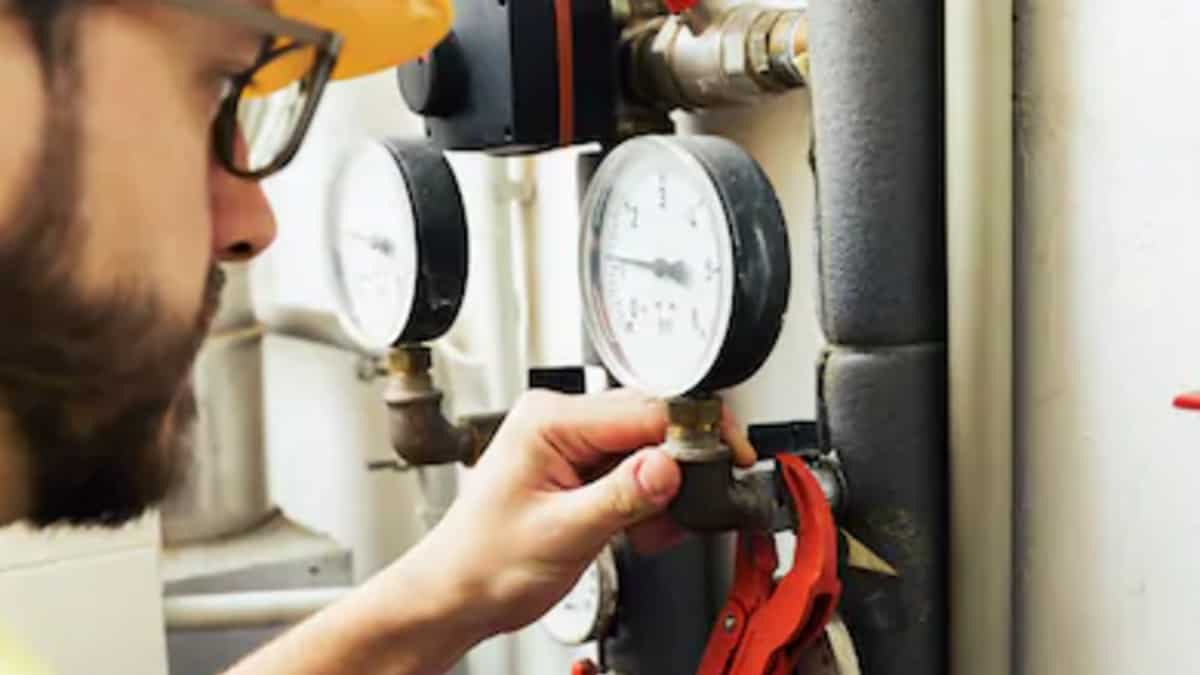
The best way to prevent something is by avoiding it. Your appliances and your pipes need to be checked. Regular checkups will detect wear and tear of pipes and other parts. You’d also want to take extra care if appliances are old or second-hand. Turn off Electrical Switches: If you suspect a leak, don’t turn on the switches of your electric power or run more devices than necessary, since any spark could cause an explosion if there’s a leakage.
Nothing is more important than keeping your family safe. If a gas leak does happen, open all your windows and shut off all pilot lights and stay outdoors. Don’t take chances on your own and call your gas supplier. They will instruct you on what to do to remain safe. To prevent gas leakage, check your appliances and pipes regularly and make sure to fix old pipes.