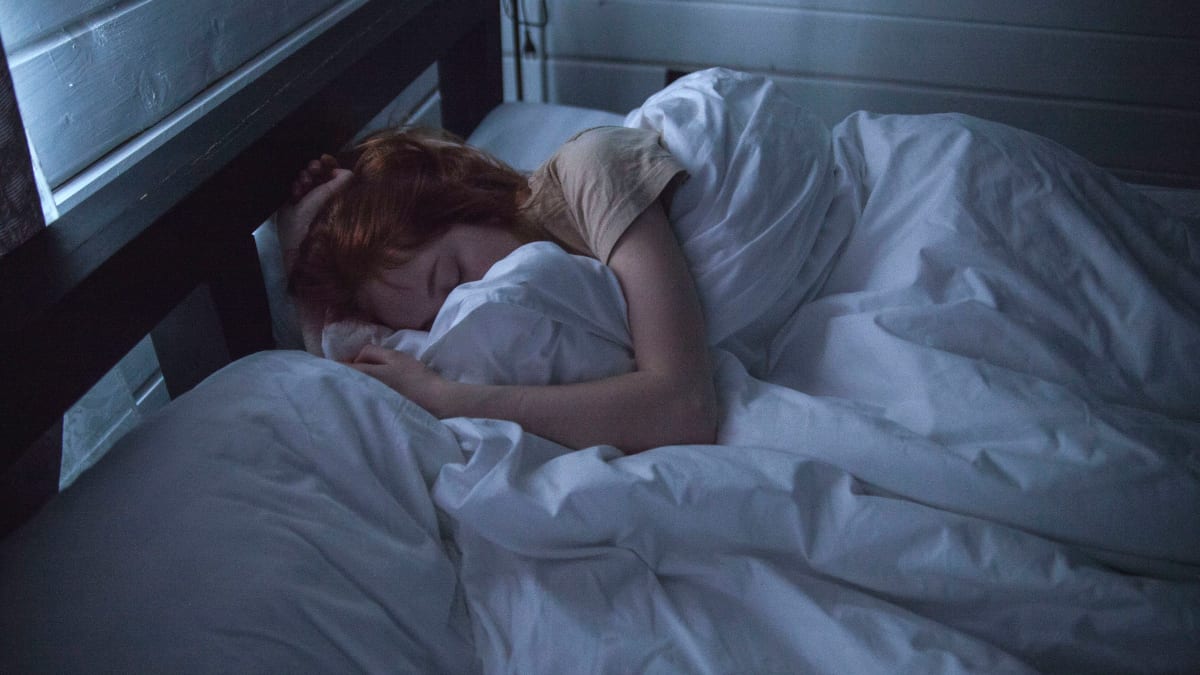
Sleep Better at Night With These Proven Tips

We’ve all been there, tossing and turning in our bed trying to desperately fall asleep to no avail. This can start to become a problem when one night turns into two nights, and two nights turn into three nights. We can start feeling the effects of sleep deprivation and we’re desperately trying to get back into a healthy schedule.
If you’re finding yourself in this cycle you might be looking for some tips that can help you sleep better at night.
Avoid Coffee
This is a no-brainer for most people, if you’re trying to get to sleep at night you don’t want to be drinking any coffee. However, even drinking coffee in the evening can lead to impacted sleep quality overall. That means that you’re more likely to wake up frequently during the night, sleep for a reduced period of time, and your REM time may be reduced. REM is generally considered the period of time that’s most beneficial while we’re sleeping, and anything that reduces how much we get should be avoided. If you’re sleeping at night, but not feeling well-rested, you may need to look at your overall caffeine intake and see if it should be augmented.
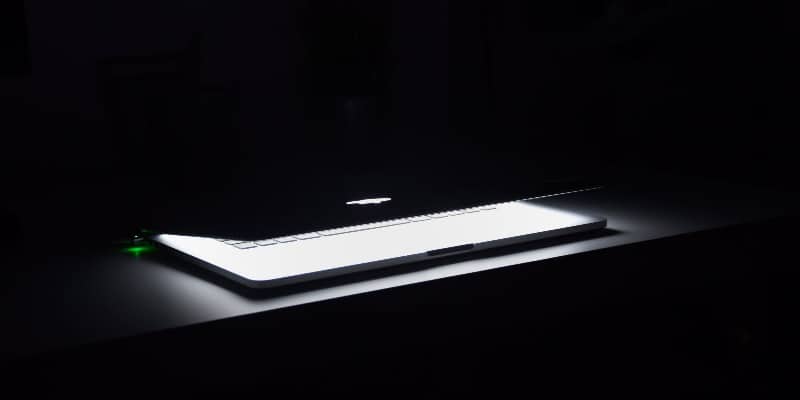
Avoid Anything with a Screen
When iPhones and other technology started coming out with a “night-time” mode option, many people felt that they were safe using their phones at night. According to https://sleepauthorities.com/, research has shown that the warmer colours that these modes offer might actually be contributing to reduced sleep quality. Our bodies naturally associate yellow and warm light to daytime, and blue light can also impact our sleep quality. Your best bet is to reduce how much you’re using your phone and T.V. immediately before bed. Avoid any screen time for 30-60 minutes prior to putting your head to the pillow and you might be surprised at how well you rest. If you’re having a hard time committing to this tip, try turning the notifications off your phone and reading a book so you aren’t tempted to use any device.
Don’t Nap Too Late
This can be a tough one for some people, if you aren’t sleeping well at night, of course, you’re going to want to nap. This is fine for the most part, but it’s dependent on two factors; how long you nap for, and what time of day you nap. The optimal period of sleep that one should get during a nap is around 15-20 minutes, anything more than that and you risk reducing the quality of your sleep that night. If you tend to take your nap in the late afternoon or evening, consider taking your nap prior to these times. Napping later means you’re telling your body it’s time to stay awake and it has a negative impact on your circadian rhythm. Set an alarm when you take your naps, and make sure it’s earlier in the day.
Be Consistent
Our body works on a rough cycle, but we’re used to feeling tired around a certain time and waking up at another time. Your body depends on these cycles in order to remain healthy. Melatonin is a naturally occurring hormone within your body that tells you when it’s time to sleep by making you feel tired. However, this feeling doesn’t last forever, and if you stay up too late that you’ll start to feel awake again. This may lead to you staying up way past your scheduled time and lead to your sleep schedule being totally thrown off. It’s important to listen to your body and sleep at night when you feel tired to keep this schedule established.
Avoid Excessive Beverage Intake
If you find yourself waking up a lot at night, the last thing you want to do is to contribute to this issue by drinking too many liquids. Caffeine can act as a diuretic and that means your body will process urine far more quickly. If you’re the type of person who wakes up at night and can’t fall back asleep easily, start reducing your fluid intake. By cutting fluids 1-2 hours prior to bedtime you’re less likely to wake up frequently needing to go to the bathroom. If you’re on any medications that contribute to this issue, it’s even more important that you do this.
If you’ve been struggling with sleep quality for quite a long period, it might be time for you to see a doctor. If you’re just experiencing a small episode of sleep difficulty, you probably just need to adhere to a few tips on this list. The most important thing to remember with these tips is that you need to stay consistent. Having coffee too late, or napping in the evening might throw off your sleep pattern, and it can take days to recover. If that does happen, just start following these tips again and you’ll re-establish your sleep hygiene.