Fun Ways to Teach Your Kids Financial Literacy

Setting your kids up for success in life means teaching them about money early and often, but it’s not always easy. Children’s financial literacy educator Sam X Renwick says, “A person’s relationship with money is daily and lifelong; therefore, it is crucial to life success, security and freedom to master it.”
With kids, money tends to come up naturally when we tell them no to a new, expensive toy or explain why we can’t go to Dreamworld this year. With emotions flying high in the heat of the moment, kids won’t absorb any lesson you try to teach them. But if you wait until the moment is right and don’t find a way to make it engaging, they’re likely to go sprinting back to their toys before you can finish the lesson.
The good news is teaching financial literacy to your kids doesn’t need to be boring. While they might not be ready for emergency funds and debt management conversations just yet, they can start learning the basics of dollars and cents from an early age.
These tips and games will help your child learn the basics of money management and set them up for a lifetime of success.
The Three Envelope Method for Kids
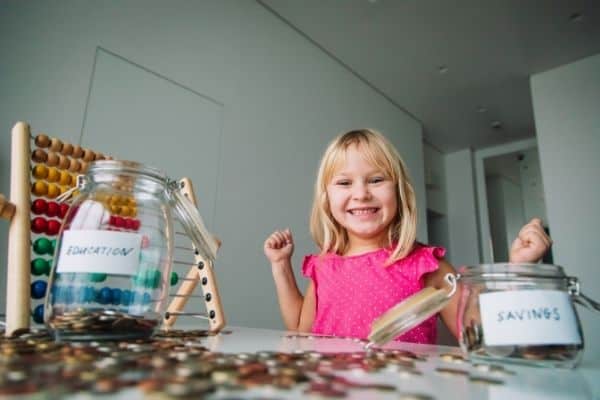
One of financial educator Dave Ramsey’s most famous inventions is the three envelope method. With kids, it helps to keep things visual to see the ups and downs with their own eyes. Get your child three clear containers: one for saving, one for spending, and one for giving. Your kids will love watching the money grow over time, encouraging them not to spend all their money as soon as it hits their hands.
And don’t discount the importance of the giving jar. Kindness is a muscle, and the more ways you can teach your kids to flex that muscle, the better people they will grow up to be. Maybe your little one wants to buy their sibling a special present. The money for that can come from the giving container. Perhaps they want a dog but can’t have one just yet. Encourage them to use their give money to support a local shelter
Skip the Allowance, Pay Them a Wage
Don’t let your kid get used to the idea that they get money just for existing. It’s important to get them used to the idea of working for their money from an early age. Set up a list of chores with a set-price list. The next time they ask for a new colouring book, they can choose the tasks they need to do from the list to earn the cost of the book.
If they have siblings, get everyone involved and make it a competition to see who can earn the most money each week. Your kids will learn how work and money correlate, and you’ll get a cleaner house.
Simple Money Games
The best way to teach anything and make it stick is through games. Kids naturally want to turn everything into a contest, so why not play these simple money games to help them learn money management?
The Thrift Store Game
If you’re a thrift store shopper, you’ll know the thrill of finding a great deal. Give your that same satisfaction with the thrift store game. Choose a category and let your child choose the item they believe is the best value. When they’ve made their selection, compare the thrift store price to the item’s price if bought new, with the most significant price difference winning.
This one will work best with older kids, but preschool-aged kids can play with a bit of extra help from mom and dad. It’s a great way to teach kids the value of a dollar and the opportunity cost of money. Sure, the item might be used, but saving the money it would have cost to buy it new means more money to spend on other things they want or to stash away in the savings jar.
Paper Trading
Paper Trading is a fun way to introduce your kids to the stock market. All you need is a piece of paper and an internet connection. Does your kid love video games? Help them “buy” some Nintendo stock and track the ups and downs. Is your daughter obsessed with all things Barbie? Mattel stocks will make a great addition to her pretend portfolio.

Set up a jar with the initial amount “invested” in coins and have your kids help you adjust the amount up or down weekly, depending on how the stock is performing. At the end of the set investment period, let them use their earnings on a small prize.
Lead By Example
Hands down, the best way to teach your kids financial literacy is by example. Kids naturally want to be like their parents and they will learn just by watching you.
Not sure about finances yourself? It’s never too late to learn more about money management. Investment guides and financial reviews are a great place to start beefing up your own financial literacy to pass on to your kids.