
The Ultimate Guide To Biotin For Hair Growth

Biotin is a water-soluble vitamin belonging to the Vitamin-B complex. It is also known as B7, and Vitamin H. The H stands for ‘Hair and Haut, ‘ which in German means “Hair and skin.” Biotin is usually required in small dosages by our body, and those needs are often fulfilled adequately by our diet alone. It is naturally found in eggs, bananas, nuts, legumes, and whole wheat.
Although rare, biotin deficiencies do occur and are usually characterized by hair loss and dull, dry, and scaly skin. Although studies are still in their fundamental stages, many of them have found a strong, positive correlation between biotin and hair growth. Biotin is known to improve both the length and volume of hair, as well as its texture. However, if you don’t keep getting regular and particular haircuts, such as the hair thinning scissors by scissor tech, your hair will soon become unruly and unmanageable.
So, is Biotin as miraculous for hair growth as people claim? Or is it just another myth? And what other uses, advantages, and disadvantages does it have? Our comprehensive guide for Biotin will answer all these questions and more!
Uses and Advantages of Biotin

Biotin can be used for numerous things, but it is most notably used to promote hair growth. The regular use of Biotin leads to lustrous hair that has a wonderful sheen to them. Biotin is also known to increase the length of your hair and make them thicker. Although the link between biotin and hair growth needs more research, the limited research that we do have has positive results.
For example, a study was performed on two groups of women in 2015. One group was given a Biotin containing marine protein supplement (MPS) while the other group was given a placebo, twice a day for 90 days. The group who is taking the Marine protein supplement that contained Biotin experienced a significant reduction in hair loss and increased hair growth in hair loss affected areas of the scalp as well. Another study performed in 2012 had similar results, thereby proving that the regular use of Biotin does positively affect hair growth.
Biotin can also be used to improve the vitality and texture of your skin and works wonders on people that have dry and dull skin due to biotin deficiency. Your skin will start to feel plumper and more hydrated, and the scaly rashes that may have developed around your eyes and mouth due to B7 deficiency will disappear with regular Biotin intake. It is also used to reduce skin discoloration in pregnant females. Biotin makes up an essential part of enzymes that are used for fat and carbohydrate breakdown. So, taking Biotin supplementation could also help with weight loss, albeit limitedly.
Studies also show that Biotin, on its own and when used with chromium, seemed to help lower the glycemic index in people with diabetes, especially type-2 diabetes, as well. Biotin can also lead to better, less brittle, and stronger nails and also aids in improving cognitive abilities and reduce fatigue and inflammation.
The U.S. Food and Drug Administration regulates biotin supplements. Still, you should only purchase them from trusted suppliers and to read the instructions on the package carefully. Although most people take Biotin supplements regularly without facing side effects, they do exist.
Disadvantages of using Biotin
Although there is undoubtedly a positive correlation between increased hair growth and the use of Biotin, there are also chances of hirsutism. Or excess hair growth, especially on the face. For females already suffering from such issues, taking Biotin would only lead to the worsening of their condition. Therefore, everyone must do their research well before taking the supplement.
There is plenty of research that still needs to be done to understand the mechanism through which Biotin works in our body and improves hair growth. Until then, we are dependent on the small pool of studies that have been conducted on its effects and anecdotal evidence.
There is no exact dosage for Biotin supplementation, and everyone’s body reacts to the vitamin differently. Therefore, it may take a while until you find a dosage that suits you well. In the meantime, taking too much biotin could lead to its overdose as well. Side effects of overdose include acne, nausea, cramping, and diarrhea. It is therefore recommended to start from the lowest dosage of around 30mcg per day and work your way up to 100 mcg per day gradually if need be.
The good news, though, is that Biotin is water-soluble and any overdosage will quickly be flushed out through your urine, provided you adjust your doses and drink enough water. If, however, you experience a worsening skin condition after taking biotin, it is best to consult a doctor immediately.
Conclusion
Biotin can successfully be used to treat mild forms of alopecia and hair loss in adults. Although research is still ongoing, and the mechanism behind these actions is yet to be understood by scientists. Regular Biotin intake can lead to longer, more voluminous, and shiny hair.
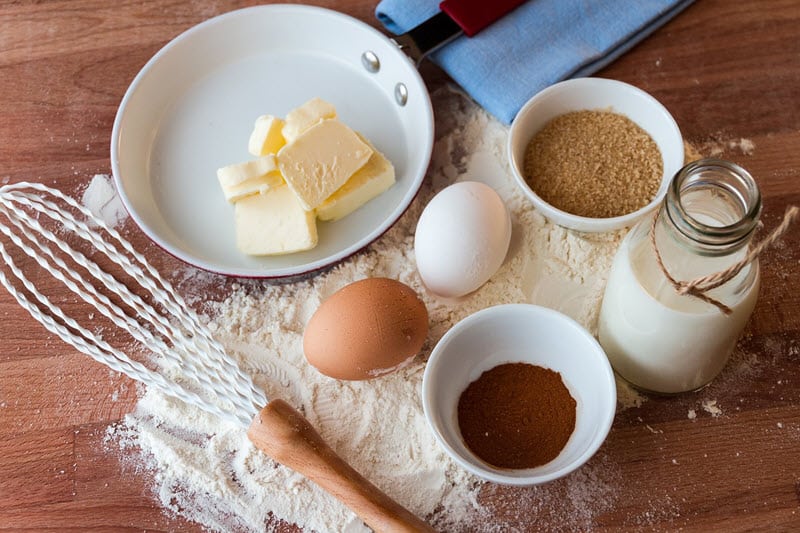
However, Biotin may not suit everyone and could even lead to worsening of conditions such as hirsutism and acne. Biotin levels can also be naturally increased in the body by consuming Biotin rich foods and having a healthy diet. These include eggs, milk, nuts, legumes, and cheese. Increasing Biotin levels through diet carries no risk of side effects and is the easiest and most successful way of improving Biotin levels in the body.