The Importance of Water Softener at Home

Itchy skin, scale buildup, faded colours in clothing, a sink riddled with stains, or high water bills are all different signs that you might have hard water running through the pipes of your home, and if this is the case, you might want to look into getting a water softener. In all likelihood, the older your home, the more prone you are to having hard water.
Lakes and rivers almost always have mineral traces left in the water we use. It’s common for magnesium, calcium, and zinc to end up in our tap water, especially if you live near bodies of water. When you have a water softener system installed, it can help improve your water quality by taking out extra calcium and magnesium ions – these minerals are causing your water to be hard – using an exchange with sodium or potassium ions. When this exchange happens, the water softener will renew, and flush the system of excess minerals until it has recharged them with new sodium ions.
Before we tell you some more facts about water softeners, it’s important to know that there are two types; salt-free softeners and salt-based ones.
Salt-Free
With salt-based solutions, sodium must be added to the water, so one of the biggest advantages of salt-free softeners is no need for sodium. This makes it a healthier and environmentally friendly system. Salt-free units are typically more costly and don’t work as well in homes with extreme hardness levels. Yet, it keeps the water more alkaline which is healthier and, in general, it’s more eco-friendly.
Salt-Based
Salt reduces the buildup of scale. Salt-based water softeners will give you more of a smooth feeling after a shower or bath. You’ll notice that soaps or shampoos will lather better and produce more suds. Nonetheless, salt-based softeners come with a range of maintenance issues and health concerns. Because of that, they’re used less than salt-free units in homes with minor to middle water hardness levels.
Both types of softeners do their job well, but each one has its pros and cons.
Water Test
If you’re not sure what kind of water you have as most people don’t, you can have your water tested to determine the level of hardness. Suppliers of water softness systems or a local health agency can measure your water to know the level of hardness. Hard water used to prevail more in the east-central and western United States. General guidelines for classification of waters are: “0 to 60 mg/L (milligrams per liter) as calcium carbonate is classified as soft; 61 to 120 mg/L as moderately hard; 121 to 180 mg/L as hard; and more than 180 mg/L as very hard.”
Here, you can find out more about the benefits and importance of water softener units and how it will improve the quality of your life by improving the quality of your water.
Prevent Scale Buildup
That crusty, hard and chalk layer, called scale which builds up in our water kettles can also build up in our water pipes. Scale is made up of magnesium and calcium and it clogs the plumbing. The ion exchange technology used for softening water helps reduce this buildup. It’s important to lessen this buildup no matter what kind of pipes you have, but especially critical if you have steel pipes, which are the most affected by hard water.
Eventually, the pipes in your home can get blocked because of hard water and this can lead to bigger problems later on. Left untreated, it will just collect in your faucets or hot water heater. As your pipes clog up, the flow of your water slows down. Clogging can also cause deterioration or permanent damage to your pipes.
Protect Your Appliances
Scale, also referred to as limescale, starts building up around the valves in your washing machine and dishwasher. When that happens, the valves cannot shut completely, which can lead to water leakage. This, in turn, lessens the lifespan of the appliances that you have. Constant fixing of these appliances means preparing a whole new budget for these repairs, which can get very costly.
Protect Your Hair and Skin
With too many unwanted elements in the water, it should come as no surprise that over time it can cause dry skin and hair. Water is meant to nurture our skin, but in the case of hard water, it’s only drying out the skin. Skin can feel leathery and dry because the pores get blocked.
Avoid Discolouration of Fabrics
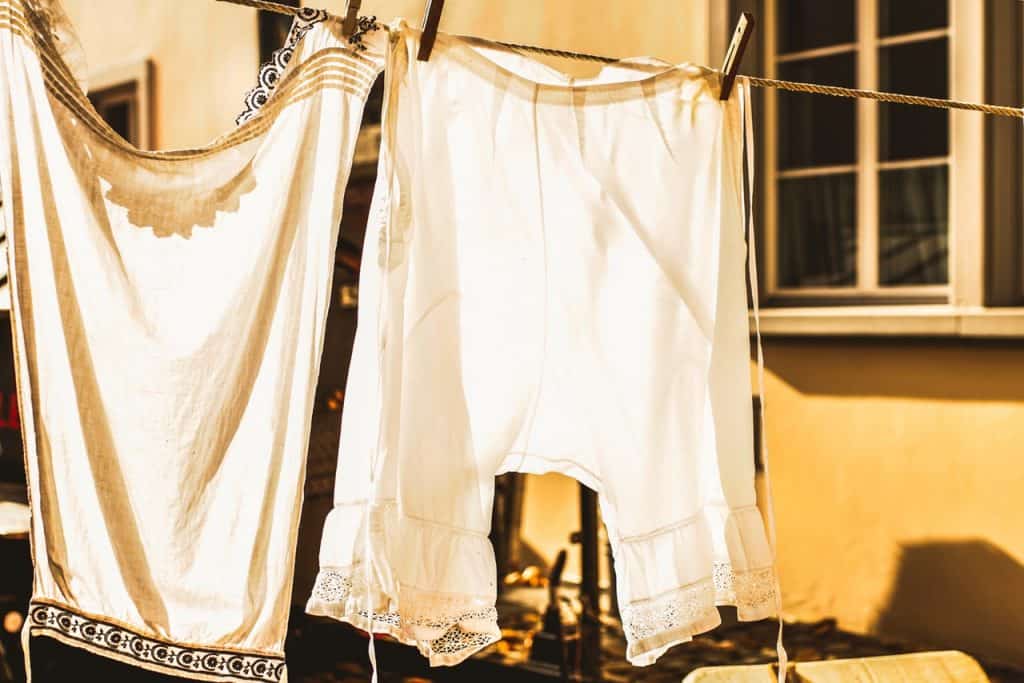
Some effects of hard water are very visual. You may start to notice that your clothes or bed linen are developing a grayish or faded look. They may also feel a bit scratchy. In other severe hard water cases, clothes might come out of the washer with a bit of a rust colour. Because the ingredients in detergents or in toiletries, like shampoo, don’t lather well in hard water; using more detergent to clean clothes, more shampoo for hair or more soap for the body doesn’t solve the problem. Your solution could be getting a water softener.
Water Bills
With the pipes being corroded, it’s expected that the flow of water won’t be smooth. With slow flow, the pipes have to work harder to get the water moving, and that increases your water bills. When the water flows easily through the pipes, you’ll be using less water overall. Also, you’ll use less heat and less energy when using a water heater. If you notice you’re paying higher bills, you should consider doing a sample test on your water, as mentioned above.
Your water can give you a hard time. Luckily, it’s not dangerous to have hard water, but improving your water quality benefits you, your family and your home. There are different methods to eliminate the negative effects of hard water by using either a salt-free or salt-based water softener solution. By thoroughly handling hard water today via a water softening system, you make an important investment in your home, which will save you money, time and problems for future years to come.