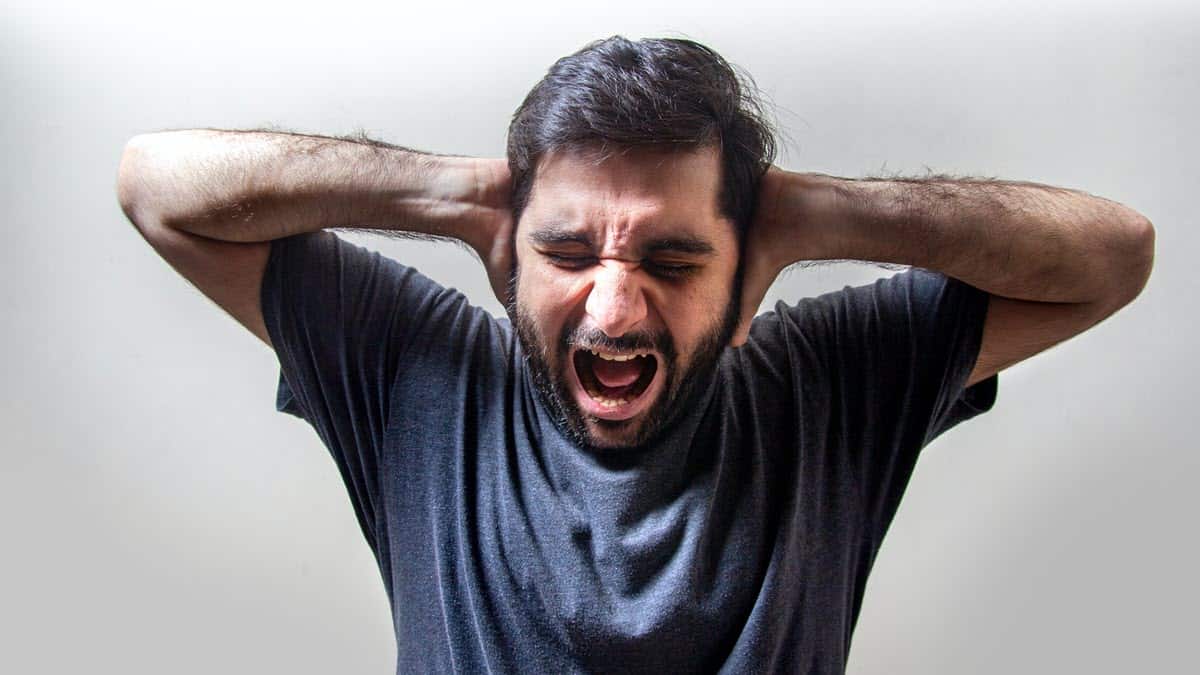
4 Ways To Stop A Panic Attack And Calm Yourself Down

You cannot always predict when a panic attack is going to occur. They can happen all of a sudden and represent a truly overwhelming feeling. Sometimes you can be aware of a certain trigger and avoid a panic attack. But, unfortunately, sometimes you just cannot. In situations like those, it is important that you have good coping mechanisms and a good strategy for calming yourself down. If this topic is something that interests you, read through these 4 ways in which you can stop a panic attack and calm yourself.
1. Know that it will pass
When you find yourself in that emotional loop that is a panic attack, it can seem impossible to shake it off. And this might be the biggest problem people face when it comes to panic attacks. You never know how long it is going to last and to what extent it is going to go. However, the thing you should always keep in mind is that it is going to pass. Remember that that feeling is not going to stick with you forever, and it will do you no physical harm. Whenever you do experience a panic attack, repeat these things out loud and in your head. Even though it might not stop the panic attack immediately, it will help you to calm down and go back to normal faster.
As time passes by, these sentences will be more impactful to you and will be a good coping mechanism. The folks at DontPanicDoThis.com say that it is the years of experience with panic attacks that helped him create ways to keep his anxiety in check. So, as with anything else, have patience with your panic attacks and learn what phrases and thoughts work best for you.
2. Breathe
One of the most impactful physical things that can bring your panic attack under control is deep breathing. During a panic attack, people usually start breathing rapidly, their chests get tight and their breaths shallow. This type of breathing can bring you more tension and anxiety, making the whole situation even worse. Instead, try to take deep, slow breaths and concentrate on each of them. Breathe first from your abdomen, then fill your lungs slowly and count to 5 both when you inhale and exhale. Be sure to practice this type of breathing when you are totally relaxed. By doing so, breathing like this will become a part of your muscle memory and will come as a reflex when you need it.
It is worth mentioning that this method might not work for some people but actually makes their panic attacks worse. Even though this is not common, if you notice it in yourself, do not use this technique.
3. Find an object to focus on
When your memories, thoughts, or feelings become overwhelming, it is best if you focus on something physical in your environment. Doing so can help you have a connection with reality and feel grounded. You can pick out any object from your surroundings, hold it, feel it, think about it. Think about the way it feels, the shape of the object, the color of the object, and so on. Basically, when you do something like this, you focus on one stimulus and reduce other stimuli, including your panic attack. Depending on your preferences, you can choose a different thing every time, or you can have one object you always use. Just make sure it is not something that can trigger your panic disorder even more.
4. Find positive triggers
Unfortunately, negative triggers can lead to a person having a panic attack. But, what you can do when you are in that situation is turn it around. That is, focus on your positive triggers. These will be different for every person, and it is on you to find which ones work best for you. You can smell lavender, you can listen to your favorite song, you can play a certain video or do anything else that makes you calm. Try to think of a few things that might work, so that you have a few options when you need them. If one does not work, go to another one.
Having a panic attack is never pleasant and never wished for. However, when you develop good coping mechanisms, the magnitude of your panic attack can be lessened a lot. As time passes by, you will have more and more control over them. And someday, they will not pose that much of a problem for you. Start with the ways mentioned above, and then listen to your body and your mind to find the mechanisms that best suit you.