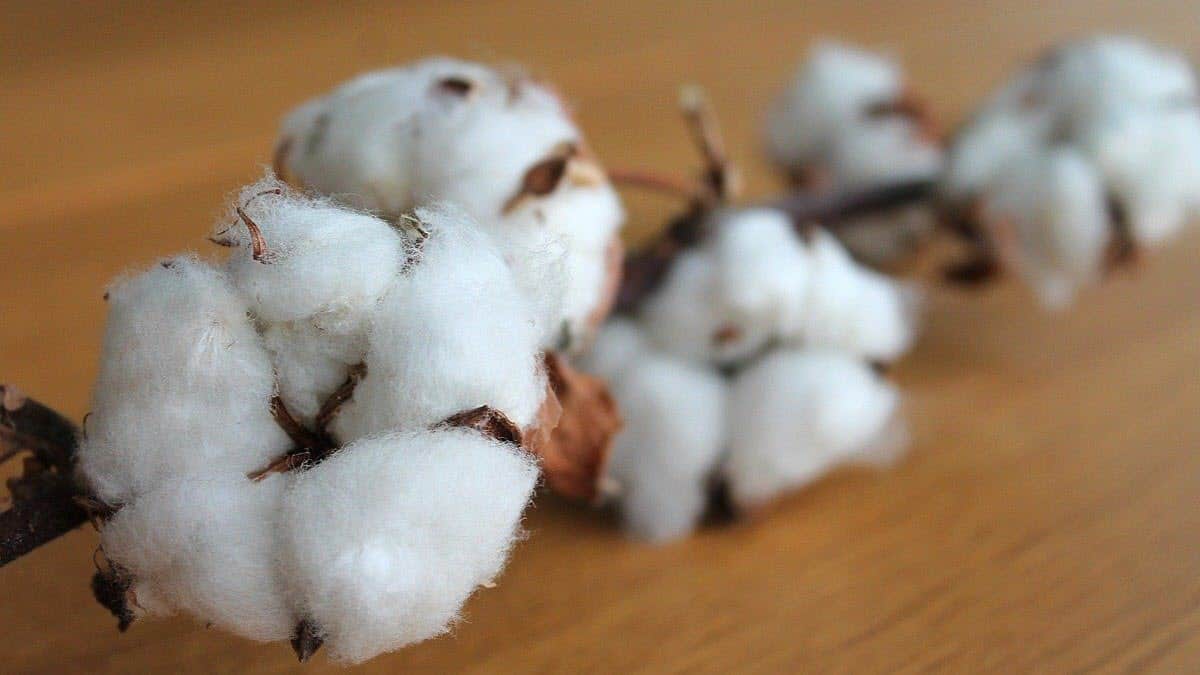
4 Reasons Why You Should Wear Organic Clothing

Organic clothing is a movement we can all get behind in some way shape or form. It’s the best way to be clothing-conscious, aside from making your own clothes (although, you don’t need a super heavy duty sewing machine to make your own clothes).
Traditional, processed clothing comes with a wide variety of negative side effects. If you’re here, you probably already know some of them…
…but some may surprise you.
In this article, we’ll go in-depth on four reasons to choose organic cotton over processed cotton. These reasons range from the personal to the global, and organic clothing is something everyone should seriously consider switching to.
Better for the environment:
Going into 2020, the threat of climate change looms ever so closely over the horizon. If we’re going to do anything about it, we’ve got to act fast. It may seem overstated at this point, but anything we can do as consumers will help at this point. Which is why this is the first reason to wear organic clothing.
The biggest reason organic clothing helps out the planet is due to organic farming practices. Organic farming uses no pesticides, which has a number of ripple effects including:
- Increased soil health
- Keeping microplastics out of water sources
- Reduces CO2 emissions from pesticide manufacturers
Probably the most consequential factor on this list has to do with soil health. Which, I know, doesn’t really sound all that intriguing.

But here’s the thing:
When you use pesticides on plants, the pesticides get in the soil. Once they’re in the soil, they’re free to runoff into water sources like rivers, lakes, and the ocean. That’s not all though—pesticides can make the soil itself less healthy. You remember the Dust Bowl from the 1930s? That was partially caused by farming practices harmful to the soil. Our practices are a little better today, but non-organic methods can still strip nutrients from soil, making it more susceptible to wind erosion.
Apart from environmental reasons, there are also plenty of personal reasons to wear organic.
Organic clothing is soft on sensitive skin:
There’s a lot that goes into the production of clothing. From the toxic dyes used in denim production to the cleansers used in fast fashion, the modern day clothing production process is filled with chemicals. Not to mention the pesticides from earlier as well.
All of those things can get into your clothes if you buy traditional. If you have sensitive skin, then this can turn into a real problem. What’s more, is that cotton is one of the most processed and chemically treated plants on earth.
Here’s the deal:
Our skin breathes. There’s a reason that nicotine patches work; you’re able to absorb chemicals into your body via your skin. That definitely includes the pesticides and other nasties that add up when treating cotton. Going with organic leaves those pesticides on the shelves where they belong, and far away from your body.
Organic cotton outlasts processed:
Organic cotton is more durable, breathable, and will last longer than normal cotton. The chemicals used in the processing of cotton also wear it down. Do you ever wonder why shirts from Forever 21 seem to break down so quickly? Part of the reason is of course that they’re made thin; fast fashion brands have to keep cycling their clothes to pump out new lines week by week.
But look:
The part that most people don’t stop to think about is the fabric itself. Sure it’s made a bit thinner intentionally so that it wears down quickly. This makes consumers buy more, more often, meaning lined pockets for the big brands. But the big brands have also turned clothing into a mechanical beast, with global production lines and huge supply. And of course, chemicals.

That’s where we come in. We can make a choice. We can choose organic clothes—or better yet, even attempt to make our own clothes with organic fabric. Making your own clothes has plenty of benefits in it’s own right!
When you wear a shirt that you designed and created yourself, you feel an intrinsic sense of accomplishment and value. It’s liberating. You learn to care more for your clothes, because you brought them into this world. The more you care, the longer you wear—and you can wear organic clothes for a very long time.
The humanitarian choice:
Pesticides, chemicals, and poor farming practices don’t just affect the natural world. They also have a direct impact on people’s lives. There is a human cost to all this clothing that we produce, and very real blood on the hands of those who sit at the top. The World Health Organization (https://www.who.int/ceh/publications/pestpoisoning.pdf) estimates that 20,000 human beings in the developing world lose their lives every year due to pesticide-related illnesses.
Farmers in the 3rd world come into direct contact with these chemicals. But there are also the other aspects to mention, except on a much higher scale. Since rules and regulations are generally less strict in those countries, rivers and lakes can end up much closer to factories and factory farms. The chemicals get into the water and in the air, and people come into direct contact with it.
When going organic, it also becomes much easier to go fair trade. They’re different but related. Buying fair trade ensures that everyone—from the farmers that pick the cotton to the factory workers that shape it—gets paid a fair rate and has decent working conditions. If sweatshops bother you, fair trade is the way to go.
Do it for you, do it for them, do it for us:
There are many reasons to go organic when it comes to clothing. Organic cotton is less harmful to skin, feels great, and is more durable. Buying organic takes CO2 out of the air, keeps the soil healthy, and keeps harmful chemicals out of water sources. Also, organic and fair trade clothes ensure that workers in developing nations have a fair shot at a healthy life and decent pay.