What Is an Obstetric Injury?

A baby’s birth is a joyous, anticipated event. But something unexpected like an obstetric injury can prevent mums from truly savouring this moment. During the painful recovery period, the nagging question of whether better technique and attention could have prevented the injury haunts mums.
Definition of obstetric injury
Obstetric injuries are complications of birth that include spinal injuries, pelvic floor injury, perineal injury, bleeding, and birth trauma. Various factors contribute to these injuries, like breech position and the prolonged second stage of labour. Some obstetric injuries are a result of negligence or poor repair of the episiotomy.
During unassisted delivery, the perineum may tear, but this isn’t ideal because the ensuing wound will have ragged edges and extend to the anus. To avoid this, an obstetrician will make a slight incision, called an episiotomy, to accommodate the baby’s head for easier birthing. This is done to avoid blood loss, injury to the anal sphincter, and tear of the vaginal mucosa.
Types of obstetric injuries
1. Spinal injuries
In most cases, especially in complicated births, epidural anesthesia is injected. Anaesthesiologists are experts, but there are cases when the spinal nerves are injured. If you suspect negligence, contact a reputable law firm like Law Partners for advice.
2. Pelvic floor injury
The pelvic floor is made of muscle groups that support the foetus. Some mothers will feel a weakening of the muscles after birth, which is a natural occurrence. However, poor delivery techniques may cause more nerve and muscular damage. A weakened pelvic floor will not be able to give the bladder enough support and may lead to prolapse.
3. Perineal injury
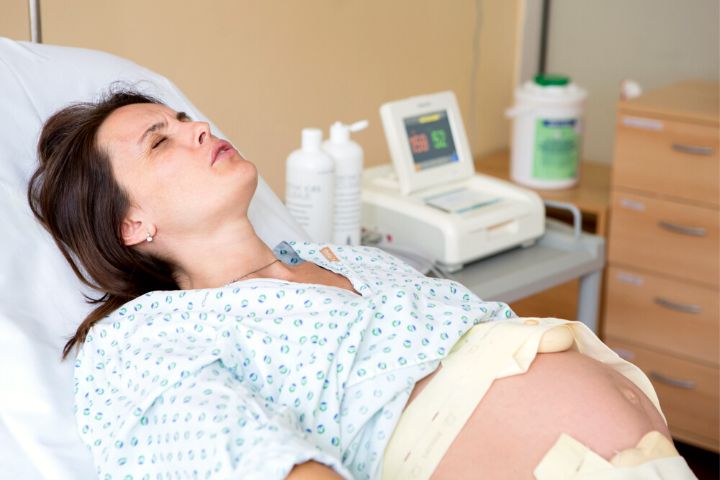
The space between the vagina and anus, called the perineum, is made of skin, mucosa, and muscle. Though it stretches and thins out during labour, it can tear during vaginal birth or instrumental delivery, which includes vacuum and forceps.
Injuries involving the vagina, perineum, anus, and sphincter are called obstetric anal sphincter injuries (OASIS). The resulting short-term and chronic sequelae can cause mothers to sue their obstetrician if they’re not given proper care.
4. Postpartum hemorrhage
Some blood loss is expected during delivery. However, if bits of the placenta are retained, excessive blood loss will ensue. This is a medical emergency that will require intervention.
Other causes of bleeding that may be unavoidable are placenta previa, uterine rupture, twins or large babies, and the like.
Postpartum, mothers should be well monitored. The uterus must be massaged to encourage contraction, which usually helps with blood loss. Blood pressure must be monitored as well since high or low blood pressure isn’t a good sign.
Short- and long-term effects
OASIS can have short- and long-term effects on a woman physically and emotionally. During the early post-partum period, pain can cause urinary retention and problems with defecating. Unrepaired tears or poor surgery could lead to infection, the formation of abscesses, and fistulae.
The long-term impact on a woman’s health depends on the extent of damage and how well the doctors repaired the tear. A study reported the incidence of anal incontinence, a distressing symptom, at 15 to 60%.
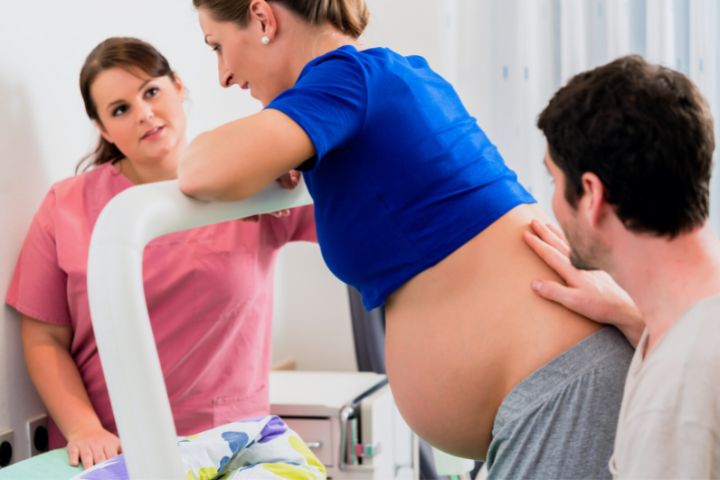
Even with surgical repair and pelvic floor strengthening exercises, a lot of women still complain of the following;
- perineal pain,
- passing of gas
- anal incontinence
- urinary incontinence
- dyspareunia (painful sex)
- wound breakdown
Wound breakdown, often noticed from 6-10 days after birth, is best managed with a secondary repair. Debridement lasting 1-6 days is performed at the hospital. After the repair, the patient is observed for three more days before getting discharged with antibiotics.
Women complained of neglect during delivery and poor quality of life postpartum.
In Australia, perineal trauma is the fourth most common indication for maternity claims. Strengthening the perineum with pelvic floor exercises can be resumed a couple of months after the repair heals completely.
Aside from physical symptoms, emotional stress, and sexual dysfunction, the impact of OASIS on daily life include:
- Difficulty in returning to work
- Inability to perform the usual chores
- Inability to exercise or engage in sports
Childbirth is an exciting time, but when suspected negligence results in complications, the mother suffers from mental anguish on top of the physical distress. Years after OASIS, the experience still impacted the mum’s birthing preference and the decision to have more children.
Some women opted not to have more children, while others favoured C-section for the next pregnancy. In addition, there was a shift to opting for private practice instead of government care.
Risks for obstetric injury
Some injuries during childbirth are unavoidable and can happen even if the mother isn’t considered high-risk and the course of pregnancy is normal. Some risk factors are:
- maternal age
- first-time vaginal birth
- number of vaginal births
- breech presentation
- high birthweight (above 4 kg)
- early pushing
- induction of labour
- episiotomy
Regarding maternal age, the risk doubled for mothers aged 35 years and above, irrespective of whether it was a first or subsequent pregnancy. First-time mothers had a higher incidence of OASIS. Women’s anatomy on their second or third pregnancies may have ‘stretched’ and can accommodate a bigger volume passing through the birth canal opening.
Interventions
The fact that more women want leeway in giving birth is a potential risk factor for obstetric injury. One solution is more doctor assistance for the patient in the second stage of labour. Perineal protection, where the doctor’s left hand slows down the descent of the foetal head and the right hand supports the chin and perineum, prevents OASIS significantly.
Avoidance of forceps delivery, carefully done episiotomy, and early recognition of breach reduce the incidence of OASIS. Restricted episiotomy during vaginal delivery reduces the incidence of OASIS by 30%. Other interventions like a perineal massage during the last trimester and a warm compress to increase blood circulation during the second stage of labour helps.
Conclusion
Obstetric injuries and poor repair may lead to devastating short- and long-term consequences. Although they can happen even in uncomplicated births, mothers may seek legal help when doctors fail to provide quality care.