What To Know About Adult Acne

You read that right. Even adults continue to suffer the annoyance of acne.
It’s common for some people to have acne breakouts in their 30s, 40s, and their 50s. As you age, treatments that may have worked when you were younger may no longer be as effective thanks to factors like aging and change in your hormones.
Regardless, no one wants to deal with acne. It affects your physical looks as well as your psychological and emotional welfare, particularly your self-esteem and confidence.
If you’re reading this, you probably have lots of questions about what you can do about this continuing nuisance.
What causes adult acne? What can be done about it? What steps can you take to curb it?
Let this be your beauty guide with everything you need about adult acne.
The Difference Between Teen and Adult Acne
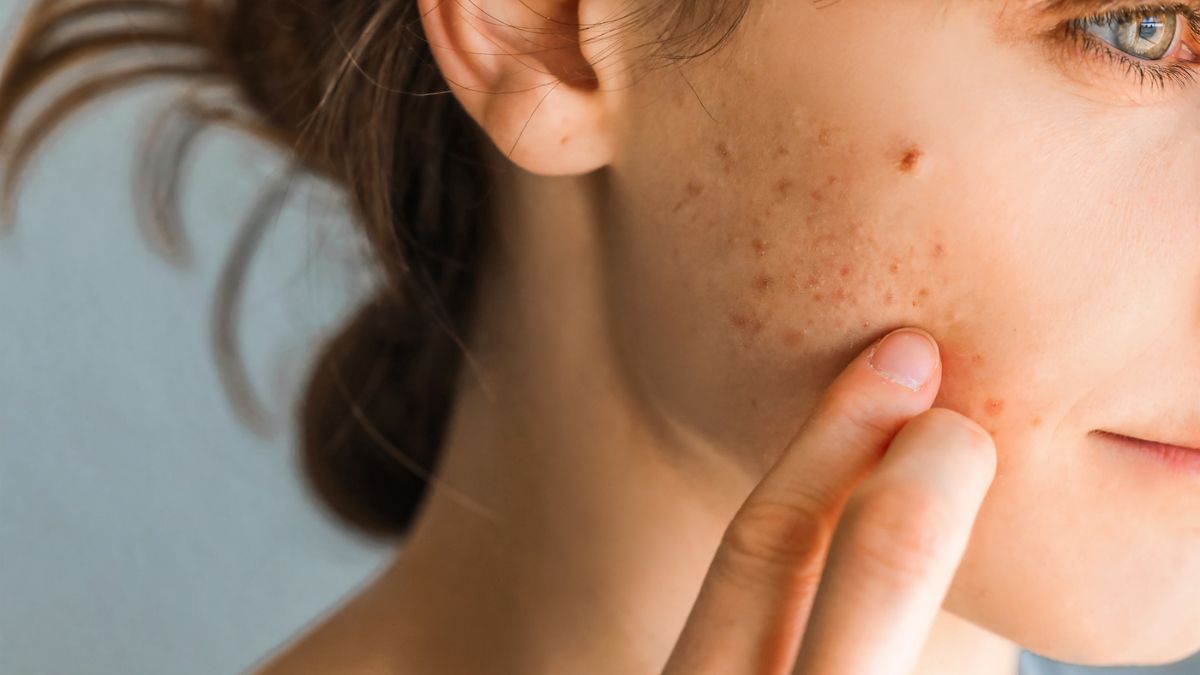
While various factors can affect the extent and spread of acne, teens typically have it focused on the upper half of their face. Adult acne, on the other hand, usually appears on the lower half.
Furthermore, teen acne tends to be superficial, sitting lightly on the skin’s surface. In contrast, adult acne tends to go deeper, appearing as cysts or ‘under the skin’ pimples.
Classifications of Adult Acne
Most cases of acne can be classified into the following groups:
- Mild acne: Usually consisting of small pustules, blackheads, and whiteheads
- Moderate adult cane: Includes papules, going as far as to cover ¼ to ¾ of the face or body
- Severe adult acne: The worst case of adult acne, involving extreme discolouration and redness, deep cysts, swelling, and irritation
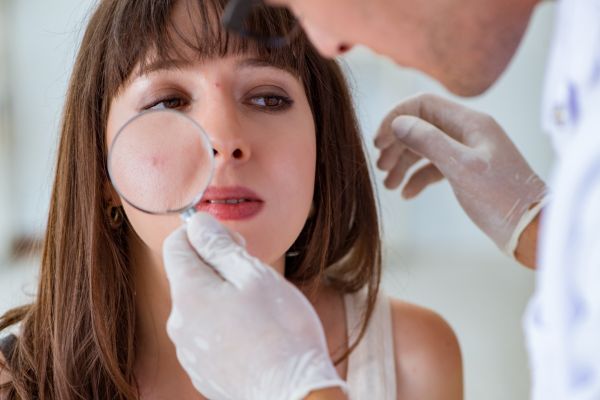
A good dermatologist can identify the proper treatment for a patient’s acne classification or severity. For more details on what that may entail with today’s advanced dermatological tech, you can check out this excellent light therapy site, among others.
Symptoms of Adult Acne
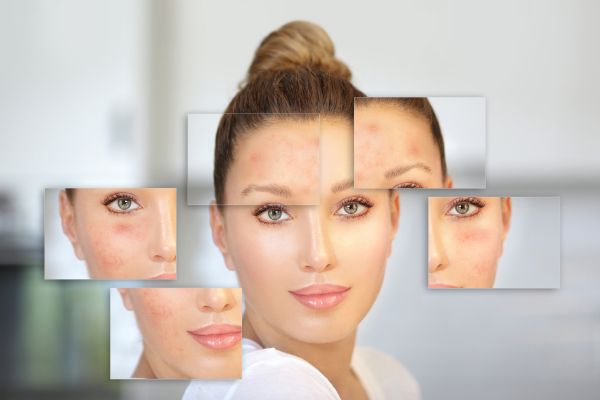
The symptoms of adult acne vary depending on the severity of the patient’s condition, skin type, and even genetics. But the most common ones are:
- Whiteheads, or closed plugged pores
- Painful, pus-filled lumps under the skin or cystic lesions
- Blackheads, or open plugged pores
- Large, solid, painful lumps under the skin or nodules
- Small, red, tender bumps or papules
In adults, these symptoms can appear on the face, shoulders, forehead, chest, and upper back.
Types of Acne
Many types of acne can affect adults, including:
- Fungal acne: This is caused by the build-up of yeast in the hair follicles. It can cause discomfort, inflammation, and itchiness.
- Nodular acne: This is one of the most severe types of acne, causing pimples on the skin’s surface, along with tender, nodular lumps underneath.
- Cystic acne: This creates deep, pus-filled nodules and pimples, often leaving scars.
- Hormonal acne: This is frequent in adults with an overproduction of sebum, which results in clogged pores.
Like the severity, the type of acne you have dictates your dermatologist’s choice of treatment. Knowing this, it’s vital to get professional aid if your acne refuses to let up with regular methods.
Causes of Adult Acne
Women have a higher chance of getting adult acne than men. Nonetheless, their risk of developing the condition is mainly affected by:
- Fluctuating hormone levels: Hormonal imbalance can lead to breakouts. Women often suffer from it due to birth control pills, their period, pregnancy, perimenopause, or menopause.
- Family history: If you have close family members with serious acne problems in adulthood, you will likely have the same issue due to a genetic predisposition.
- Hairstyling products: Some of their formulations seep oil into the forehead, trapping acne-causing bacteria in your pores.
- Contact irritation: Anything that irritates your skin, like harsh cleansers and razors on dry surfaces, can lower your skin’s defences. That can cause protective reactions, such as inflammation, encouraging acne growth.
Any combination of these causes may be the culprit behind your acne issues. Ensure you go through them with your dermatologist for better advice on treating your case.
What You Can Do
Your options span from home remedies to high-tech interventions. But getting rid of acne may involve both; after each treatment session with the dermatologist, you’ll have to maintain proper hygiene and facial care routines. Otherwise, even professional treatment is futile.
Your facial care should include the following steps:
- Wash your face at least twice daily, especially after sweating, using warm water and a mild cleanser.
- Avoid scrubbing your skin, as this can cause irritation.
- If your dermatologist prescribes them, use medicated creams with benzoyl peroxide, alpha-hydroxy acid, or salicylic acid.
- Follow after-care steps after powerful treatments like laser or light therapy.
- Avoid touching your face often during the day, as the fingers tend to be filled with oil and dirt.
Always default to professional advice when it comes to your skin issues.
The Bottomline
You can shrug off a few zits here and there. But once the breakouts start to get too frequent, painful, and annoying, that’s when treatment is necessary.
Again, never experiment with your skin. What works for others may not work for you. Consult a dermatologist so that you get the appropriate treatment.