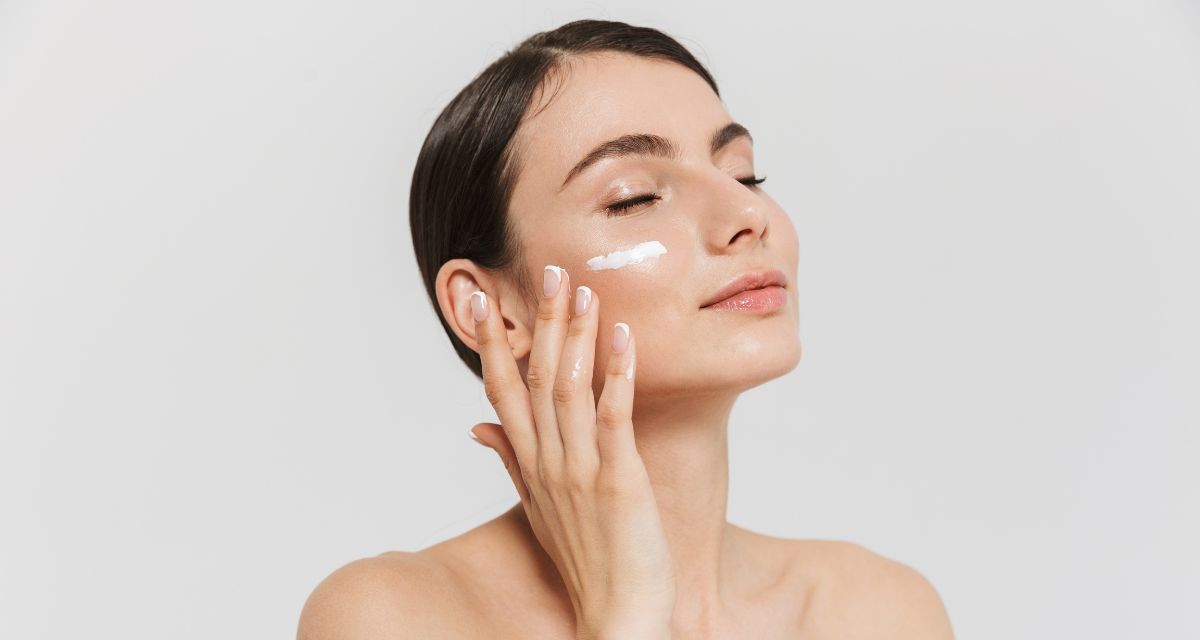
What’s the Deal With Peptides? A Quick Guide to This Skincare Staple

It feels a little strange to say that skincare has been trending over the past decade, but as much as it seems like it has been this popular forever, that wasn’t always the case. The 2000s was a time of more makeup and stylised looks, and as we shifted into the 2010s, the rise of more natural looks meant that more people were shifting away from heavy foundations and towards retinol and serums.
Within that shift, skincare enthusiasts have also become more aware of the products that they’re putting on their skin. Harsh chemicals have fallen out of fashion, highly perfumed serums have been replaced with more organic, natural alternatives, and what once was a luxury market has now steadily made its way towards the mainstream. Currently, we are seeing explosive growth in the skincare market that is not being replicated within the rest of the cosmetics industry, and for those of us who care about giving our skin the best of the best, this can only mean fantastic things.
Today, we’re going to take a look at one particular type of ingredient that has become a mainstay of the skincare world: Peptides. After all, to understand the unprecedented rise that skincare has seen over its cosmetic contemporaries, we first need to understand what it is that these ingredients are offering in return.
What Are Peptides?
As with many skincare ingredients, such as hyaluronic acid, peptides are naturally occurring within the human body. These strings of amino acids act as the proverbial building blocks of your protein production, effectively feeding the body’s ability to make additional proteins. This is why, outside of skincare, peptides can often be used and supplemented for different purposes, such as muscle growth and weight loss. However, for our purposes, these peptides are absolutely amazing for supporting your skin’s regenerative properties and bringing back some of the lustre that can be lost with age and sun damage.
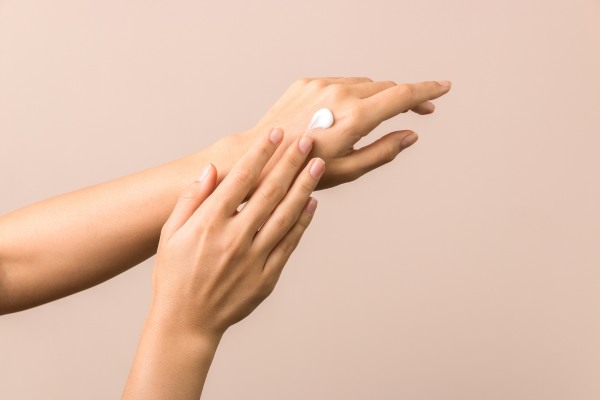
What Are the Practical Benefits of Peptides For Skincare?
In most cases, peptides for skincare can be referred to as collagen peptides. As you might have guessed, these peptides are specifically formulated to assist in collagen and elastin proteins, which are two of the primary building blocks of healthy skin:
Collagen
As a protein, collagen is one of the main building blocks used throughout the body. This includes skin, of course, but collagen also assists in the growth of hair, tendons, muscles, and more. As skincare support specifically, however, it is what allows our skin to remain plump and firm, with sagging often being caused by a reduction in skin collagen.
Elastin
Keeping the above description in mind, elastin supports collagen in ensuring that your skin is stretchy, firm, and tight. Technically, elastin is more flexible than collagen, so there has been some debate in terms of which is the more impactful protein, but both are essential in maintaining healthy-looking skin.
On top of supporting these two vital proteins, peptides can offer a number of benefits for your skin, including:
- Anti-aging properties reversing signs of age and sun damage.
- The reversal or reduction of hyperpigmentation thanks to antimicrobial peptides which are involved in the production of the skin’s melanin.
- Improvements in the skin barrier, which can support the healing of wounds and regulate bacteria on the skin’s surface.
With all of these benefits, it’s certainly easy to see how peptides have taken their place as a mainstay in terms of skincare ingredients. So, the question then becomes how you should be using these amino acids effectively. While peptides are largely beneficial with minimal risks, those considering more systemic treatments like testosterone replacement therapy should be aware of potential TRT side effects, such as mood swings or skin reactions.
What Products Contain Peptides?
Depending on your skin’s needs you’re sure to find a large number of potential peptide options each targeted at slightly different use cases. For example, while serums are fantastic for daily use and are often better utilised in small patches, such as eye serums developed for the reduction of crow’s feet, there are also face masks and lotions that will contain beneficial collagen-building peptides within their ingredients list. So, if you’re trying to broadly take care of your facial skin, consider a face mask or a cream, but if you have particular areas of concern, then it’s likely a serum is going to be the best choice.

As you can see, there are a lot of different ways that one can really get into the benefits of peptides and skincare as a whole. So, if you’ve been on the fence about making a purchase, we would certainly recommend trying some skincare peptides from a reputable brand and seeing what happens. They are often well-tolerated as part of a larger skincare routine, but still make sure that you do your own research to see if introducing new ingredients into your routine will react with other ingredients; your face will thank you.