5 Reasons Why You Should Use Living Soil in Your Garden

Traditionally, humans grew crops and left them to grow naturally. This method involved minimal tilling and interference with the soil ecosystem. With the advent of commercial farming, this method of farming has since changed with the use of heavy machinery and chemical products to maximize productivity.
Commercial farming even though ensures maximum productivity, harms our environment, and produces rather low-quality chemical-induced products. You can still embrace the traditional methods of farming by using living soils for gardens around your home. Here are a few reasons why you should embrace this method.
1. Easy Absorption of Nutrients
With no-till soil, you do not have to dig and till your garden. Tilling is beneficial to some extent, as it speeds up the process of breaking down organisms, but also reduces their lifespan as a result.
When you till excessively like is often the case with commercial agriculture, you end up killing the organisms all together hence the need for fertilizers. With living soil, you just let the soil naturally work out its process and feed the plants. Your plants will absorb those nutrients faster and become healthier and bigger than those on tilled soil.
2. Improved Aeration
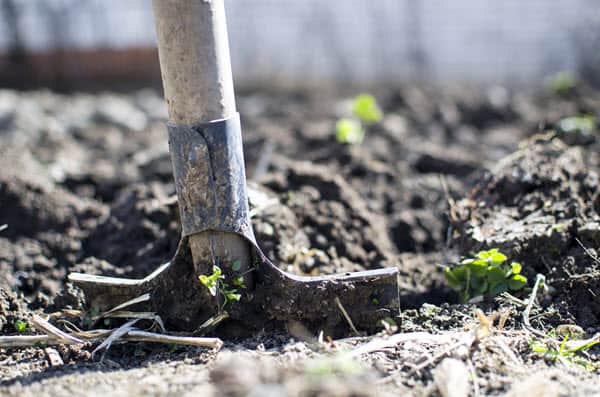
Contrary to conventional belief, tilling does not improve aeration. Tilling encourages soil erosion since the soil is left loose. If you want to allow oxygen, water, and other nutrients to flow properly through the soil’s ecosystem, then you should not till it. The nutrients will travel deep into the roots, encouraging proper growth and strong full plants.
3. Limited Erosion
Tilling makes the soil loose and prone to erosion. Wind can easily blow off loose soil exposing the plant surfaces and also interfering with the soil’s ecosystem. There is also the issue of water carrying away such soil living your plants weakly rooted and hence vulnerable. The no-till soil ensures that the soil remains intact even when exposed to the factors of erosion. Your plants remain protected and grow deep roots for better production.
Leaving the soil in its natural condition protects the microorganisms which in turn helps decompose organic matter that provides nutrients to the plants. You do not need to use chemical fertilizers as these could be harmful to the environment thus improving the quality of food and medicines.
4. Safeguard Soil Microorganisms
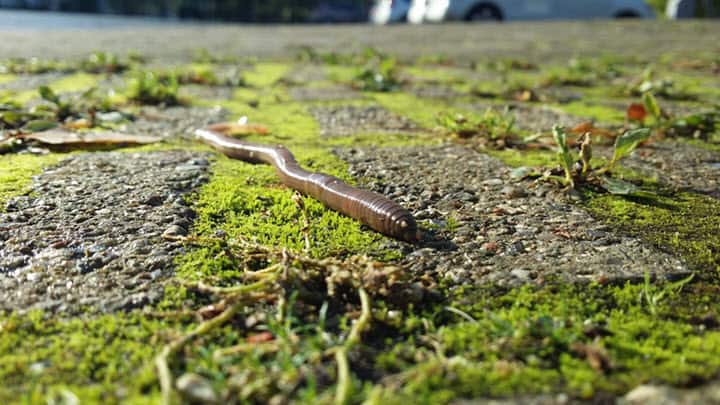
Soil is a living entity comprising millions of microorganisms. It is these microorganisms that contribute to the growth of plants through an intricate web of decomposing and providing nutrients. The system is mutual or symbiotic coordination between the organisms and other living creatures with the plants.
5. Reduced Watering Frequency
No-till soil has high water-resistant and retention capabilities. All plants, like all living things, require sufficient water for growth without which they would die. If the water is limited or not enough, your plants become stunted.
When you till your land, you expose the soil more thus losing more water via evaporation. You would, therefore, need to frequently water your plants. With living soil, the water is more contained hence reducing the watering frequency and saving a lot of water.