5 Best Cold-Press Juicers in Australia for Family Kitchens (2026)

For a straightforward cold-press juicer, start with the Ninja NeverClog. For less frequent feeding of ingredients, compare the Kuvings AUTO10 and Hurom’s self-feeding models. The best choice is the one whose prep, cleaning and storage needs fit your kitchen. There is no single winner for every family.
Updated October 2026
We may earn a commission from links on this page, at no extra cost to you.
This researched guide compares five slow juicers sold through Australian brands or retailers. The picks are based on their published design, care requirements and local support. For busy parents, the clean-up after a glass of juice matters just as much as the feed chute.
Quick picks: cold-press juicers in Australia
| Juicer | Who it may suit | Useful feature | Trade-off to consider |
|---|---|---|---|
| Ninja NeverClog JC151ANZ | Smaller batches and simple pulp choices. | Two pulp filters; 700 mL juice jug. | Smaller jug than a large batch setup. |
| Kuvings EVO820 | Regular juicing with progressive ingredient feeding. | 82 mm chute. | Still requires loading during juicing. |
| Kuvings AUTO10 | People who want a large ingredient hopper. | 3 L self-feeding hopper. | Hopper capacity is not juice output. |
| Hurom H400 | A kitchen where external containers add clutter. | Built-in pulp container. | Check access and cleaning space before buying. |
| Hurom H70 | An easy-clean design with detachable parts. | Two-part auger/strainer and self-feeding hopper. | Still needs washing and reassembly. |
Australian product pages were checked for this October 2026 update. Stock, colours and bundles can change. Amazon links below are searches, so check the exact model, seller, Australian warranty and supplied plug before ordering.
1. Ninja NeverClog: for a straightforward setup
The Ninja NeverClog offers two interchangeable filters labelled Less Pulp and Lots of Pulp. Its Australian listing includes a 700 mL juice jug and a 1 L pulp container. Those details make it a sensible first comparison if you want a few glasses rather than a large holding jug.
Ninja says the parts that contact juice are dishwasher-safe. That is useful if handwashing a fine strainer is what would stop you using a juicer. Read the manual for rack placement and care, and remember that the motor base needs separate cleaning.
Who it suits: someone who wants straightforward controls and a choice of pulp level. Before buying: look at the ingredient-preparation instructions and the space needed for the jug and pulp bin. “NeverClog” is a product name, not permission to force oversized pieces into it.
See Ninja NeverClog Cold Press Juicer JC151ANZ at the Australian brand | Check price on Amazon AU
2. Kuvings EVO820: for regular, progressive-feed juicing
The EVO820 is a vertical slow juicer with an 82 mm feed chute. Kuvings explains that its self-feeding design guides produce towards the screw, but ingredients still need to be loaded progressively. It is not the same arrangement as a large hopper that holds a whole recipe.
Its Australian specification lists a 240 W motor and 50 RPM operation. Neither number proves that it will produce more nutritious juice or a better yield than another model. The more useful question is whether its feed-and-clean routine suits the ingredients you use.
Who it suits: a regular juicer who is happy to prepare produce and feed it in stages. Before buying: measure cupboard clearance and read the directions for fibrous ingredients, peeling and removing seeds. A wide chute reduces some chopping, but does not eliminate preparation.
See Kuvings EVO820 Cold Press Juicer at the Australian brand | Check price on Amazon AU
3. Kuvings AUTO10: for a large self-feeding hopper
The AUTO10’s standout feature is a 3 L ingredient hopper. It is worth comparing if continuously adding pieces would be a nuisance in your morning routine. The hopper can hold prepared ingredients while the machine feeds them through.
Do not confuse that capacity with three litres of juice. Output depends on your produce, and the juice and pulp still need somewhere to go. You also need to wash the hopper and extraction parts afterwards.
Who it suits: someone who juices regularly and values fewer loading interruptions. Before buying: check the full assembled size, lid-opening space and manual. Even when marketed as hands-free, a running appliance needs appropriate supervision, especially with children in the kitchen.
See Kuvings AUTO10 Cold Press Juicer at the Australian brand | Check price on Amazon AU
4. Hurom H400: for keeping pulp collection contained
The H400 combines a self-feeding hopper with a built-in pulp container. That is its most useful distinction here: there is less need to arrange a separate pulp bin beside the machine. A juice cup still needs space at the outlet.
Hurom describes a two-part multi-screw auger/strainer and accessible juice and pulp flaps for cleaning. Inspect the assembly demonstration before buying. An “easy clean” label is more helpful when you can see exactly what comes apart and how it goes back together.
Who it suits: someone who wants a self-feeding juicer with contained pulp collection. Before buying: check the weight if you plan to lift it into a cupboard after every use, and allow room to remove and wash all the parts. Do not assume it is dishwasher-safe.
See Hurom H400 Cold Press Juicer at the Australian brand | Check price on Amazon AU
5. Hurom H70: for a detachable easy-clean design
The H70 has a self-feeding hopper and an easy-clean chamber built around a two-part detachable auger/strainer. Hurom also lists a detachable chamber and body, which is worth considering if storage is a bigger concern than leaving an appliance on display.
This is a different model from the H400. Compare their assembly, pulp collection and storage arrangement rather than assuming the newer-looking name means better juice. Your bench layout may make the choice for you.
Who it suits: a household prioritising straightforward disassembly in a self-feeding design. Before buying: watch the cleaning demonstration, confirm what the Australian package includes and check that its care routine fits how you wash up. Easy cleaning still means cleaning after each use.
See Hurom H70 Cold Press Juicer at the Australian brand | Check price on Amazon AU
How to choose a cold-press juicer you will use
Start with your normal ingredients
Write down three combinations you would realistically make. A person juicing mostly apples and carrots may value a different feeding style from someone using leafy greens and celery. Look for preparation advice for those exact ingredients in the manual.
Do not use motor wattage or RPM as a shopping shortcut. Both describe part of a design, not a universal performance ranking. If a product demonstration is available, watch how the operator cuts and loads ingredients and what happens when they change produce.
Compare the whole job, including cleaning
Time spent washing, peeling, cutting, feeding, dismantling and rinsing belongs in the comparison. A hopper can reduce loading interruptions while a fine strainer may add cleaning work. Fewer visible parts do not necessarily mean every nook is easier to reach.
Ask yourself where wet parts will dry. If they have to sit on the only patch of bench you use for school lunches, the appliance may become an occasional-use machine. Look at the sink and storage plan before choosing extra accessories.
Measure more than the motor base
Allow room for the assembled machine, its open lid, the juice container and any external pulp container. You also need access to the power switch. A cupboard measurement taken with the lid shut may not tell you whether you can load it comfortably.
If you will pack it away, consider the weight and how many trips it takes to carry the components. A juicer that stays assembled safely on the bench may be easier to use than one buried behind several other appliances.
Check replacement parts and Australian support
Look for replacement seals, strainers, augers and jugs for the exact model. Check who handles a warranty claim, where service happens and whether motor cover differs from cover for other parts. Keep the receipt and use instructions, including the maximum continuous running time.
On a marketplace, identify the seller and whether the device is an Australian version. A familiar brand name does not guarantee local support for an imported model. Compare the complete purchase, not just the headline price.
Cold press, centrifugal or blender?
| Appliance | How it works | Why choose it |
|---|---|---|
| Cold-press or slow juicer | An auger or similar mechanism crushes produce and separates juice from pulp. | You prefer extracted juice and accept the prep and cleaning. |
| Centrifugal juicer | A fast-spinning mechanism separates juice through a strainer. | Compare it if speed is a priority. |
| Blender | Blends ingredients together instead of separating most pulp. | You want smoothies or blended food with more of the original fibre. |
A “cold” name does not automatically make a machine a cold-press juicer. Check its extraction mechanism. This guide keeps the shortlist to slow-juicing designs rather than mixing in centrifugal models as equivalent picks.
You might already have what you need. Our guide to making juice at home without a dedicated juicer covers another approach. If your main goal is purées, see our baby-food blender guide instead.
Juice, children and pregnancy: keep the purpose clear
Juice is optional, not a shortcut to a balanced diet. Raising Children Network recommends whole fruit and water or suitable milk for children. Juice has less fibre than whole fruit and can be high in sugar, even with no added sugar. It is not needed for babies.
A slow juicer does not sterilise produce or pasteurise the juice. Food Standards Australia New Zealand’s guidance for vulnerable people lists unpasteurised juices as higher-risk and pasteurised juices as the safer alternative. That matters during pregnancy and for people at greater risk from foodborne illness. Ask your GP or midwife if you are unsure what is suitable for you.
Wash produce, use clean utensils and containers, and follow safe food handling. Avoid leaving juice sitting on a warm bench. Do not rely on a universal “three days in the fridge” promise for homemade juice; safety depends on preparation, temperature and the person drinking it.
Skip detox claims and juice-only meal plans. Buying a juicer does not mean your family needs a daily glass. For an occasional recipe, our carrot, apple and orange combination is an idea to adapt, with whole fruit and water remaining the everyday priorities.
Kitchen safety around children
Adults should handle operation, cutting and cleaning. Keep fingers and utensils out of the feed opening and use only the supplied pusher as directed. Switch off and unplug before clearing a blockage or dismantling the appliance, and wait for moving parts to stop.
Keep the cable away from bench edges and the machine away from water around the power connection. A safety interlock helps but does not replace supervision. Queensland’s household electrical safety guidance covers safe appliance use. Children can help wash whole produce away from the running machine, with an adult nearby.
Frequently asked questions
What is the best cold-press juicer in Australia?
Start with the Ninja NeverClog for a straightforward small-batch comparison. Consider the Kuvings AUTO10 for a large hopper, or Hurom H400 and H70 for their different easy-clean designs. Choose around your ingredients, bench space and washing-up routine.
Is a cold-press juicer better than a normal juicer?
It is a different extraction design, with its own feeding and cleaning routine. Do not assume it is automatically healthier or higher-yielding. Compare the tasks you care about rather than treating “cold press” as proof of superiority.
Is a juicer or blender better for a family?
A juicer suits extracted juice. A blender keeps more of the original food together and suits smoothies and purées. If baby food is your main purpose, a blender is usually the more relevant appliance to compare.
Can I drink homemade cold-pressed juice during pregnancy?
Homemade juice is unpasteurised. FSANZ identifies unpasteurised juice as higher-risk for vulnerable people and recommends pasteurised alternatives. Discuss food safety with your GP or midwife rather than assuming cold extraction makes juice safe.
How long can I keep cold-pressed juice?
Do not assume a fixed safe shelf life for every homemade batch. Preparation and refrigeration matter, and unpasteurised juice is unsuitable for some people. Make only what you need and follow food-safety guidance for your household.
Original article image downloads
The older article’s image files remain available below. Some depict previous models; they are archive downloads rather than the current buying shortlist.
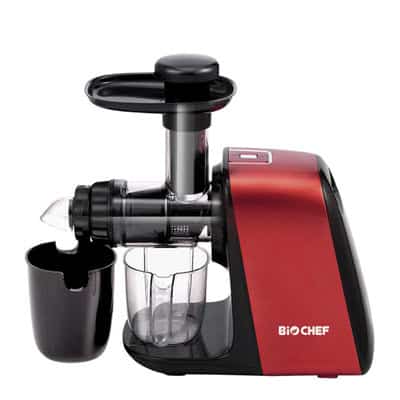
Download original image: BioChef Axis Compact Cold Press Juicer
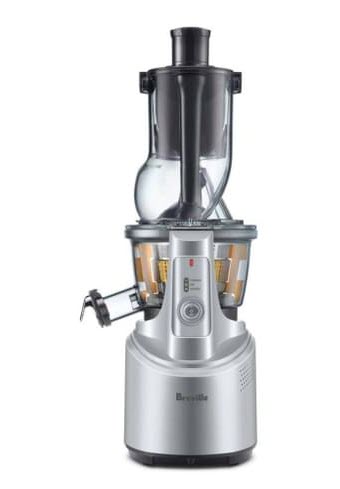
Download original image: Breville The Big Squeeze Juicer BJS700SIL
Download original image: Cleaning a juicer some are easier than others
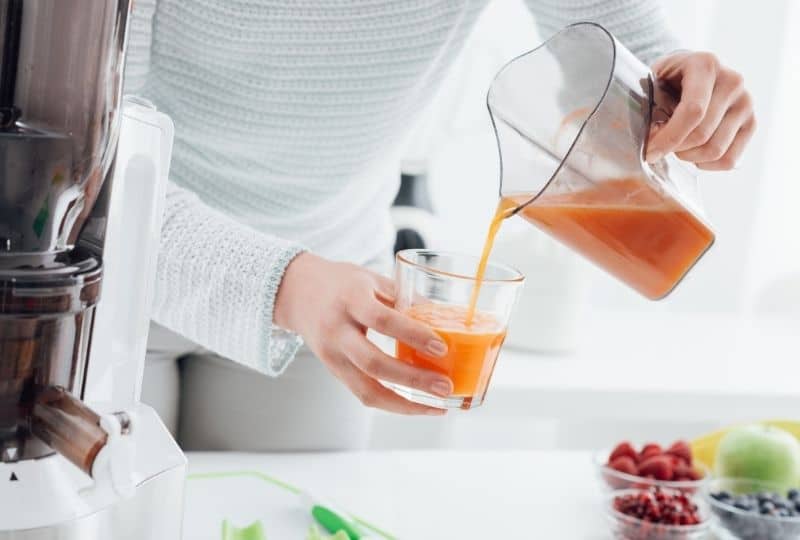
Download original image: Consider jug size when selecting the best cold pressed juicing system
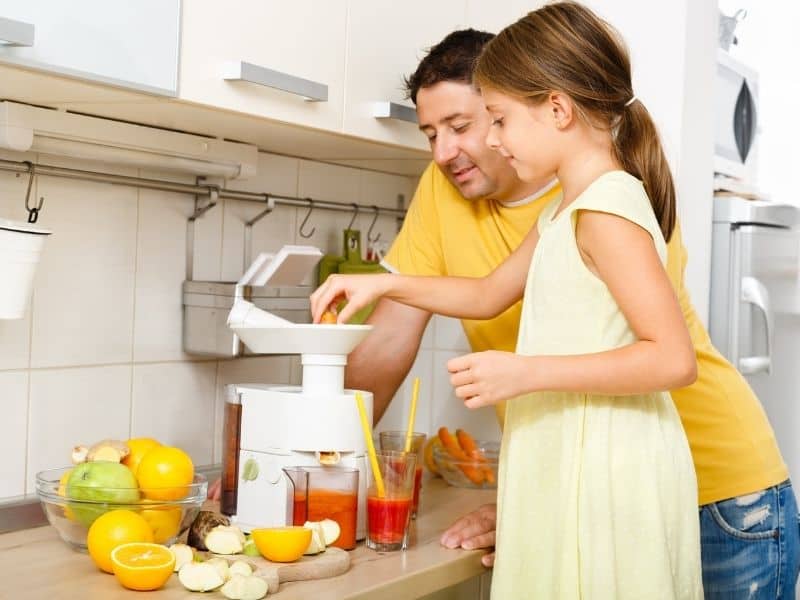
Download original image: Father and daughter making fruit juice with a juicing machine
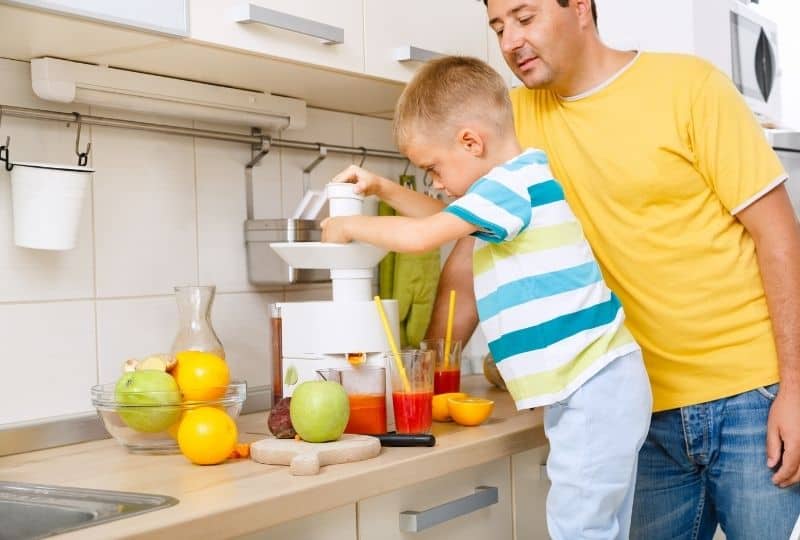
Download original image: Father and son using a cold press juicer australia
Download original image: Ingredients ina blender
Download original image: Oscar Neo DA1000 Slow Juicer
Download original image: Russell Hobbs Luxe Cold Press Slow Juicer
Download original image: Smiling woman drinking cold press juice against a yellow background