
Foods To Avoid When Breastfeeding Colicky Baby | Parenting Tips

Having a baby with colic is such a difficult time. Whether it is your first or your fourth baby it doesn’t get any easier. Being given the diagnosis of ‘colic’ when you have a screaming baby that appears to be in pain is both validating and devastating at the same time.
Having experienced it myself, it is safe to say to not worry (too much) because it will pass. It can be hard to see that in the present moment though. Your parental instinct is probably not happy with ‘it will pass’ and if you are like me, you are probably trawling the internet for solutions right now, wondering how you will make it to the magical 10-week mark when said ‘colic’ should magically resolve. How? Supposedly, colic in babies settles around 10-12 weeks due to the development of their gut.
So, what can be done in the meantime?
If your baby has colic and you are breastfeeding, you may be able to reduce symptoms through a change in diet.
Which Allergens Do I Avoid To Reduce Colic Symptoms?
The following highly allergenic foods have been shown to reduce colic symptoms in breastfed babies. We strongly recommend you work under the advice of your doctor, lactation consultant or dietitian before making diet changes in a breastfeeding mother. Ask to discuss the following food groups with your health practitioner:
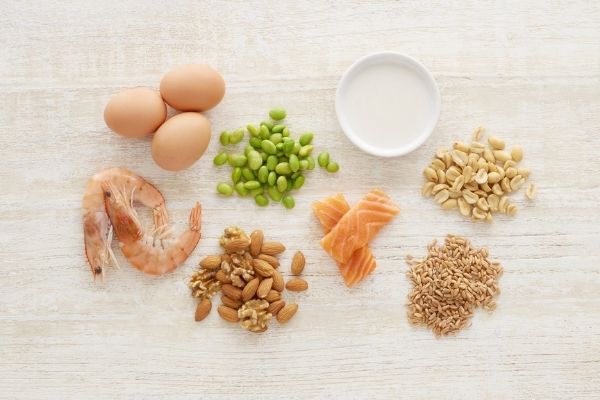
1. Dairy
Dairy is the number one intolerance in children under 12 months. It is best to start by cutting out large intakes of milk such as in your daily coffee (please don’t fear, there are many great alternative types of milk, you can still get that much-needed coffee intake). If your little one has severe symptoms you may need to cut out all traces of dairy from your diet. All packaging within Australia is required to list the allergen ingredients, read the back to ensure you are reducing or eliminating all milk solids.
There are a large number of dairy alternatives in the supermarket now including ice cream, yoghurt, cheese and milk. All cafes will stock alternative milk (almond, oat, soy) for you to have with your coffee.
2. Egg
Egg is also a common intolerance for children under 12 months. It is usually the egg white that is the main problem for our little ones, but again, you may need to consider cutting eggs out of your diet entirely.
There are great egg substitutes that you can get from your local supermarket that allow you to cook meals that require egg. You will just have to miss out on that avocado and poached egg breakfast for a while.
3. Soy
Soy is a less common allergen than egg and dairy but still a consideration. It is generally a little easier to avoid.
Substitutes for soy are becoming easier to access, you could consider coconut aminos to replace soy sauce and almond milk to replace soy milk for example.
4. Gluten
Gluten is not usually recommended as a first allergen to avoid but has been found to cause discomfort in a small percentage of baby’s. It is one to consider if dairy, egg and soy have been ruled out.
It can be overwhelming to think about such drastic changes in diet, so it is best to make the changes under medical guidance. To eat simply and enjoy a low allergen diet your meals will basically consist of meat and vegetables.
How Can I Easily Change To A Low Allergen Diet?

With many people choosing to consume a low allergen diet these days, there are many websites dedicated to meal plans to assist your transition quickly to a low allergen diet. Here are a few simple ideas for food substitution below:
Breakfast
Your breakfast choices may have you scratching your head without egg, gluten and dairy. A few simple ideas:
- Porridge with almond milk
- Smoothie using coconut milk, berries, vegetables
- Gluten free toast with avocado
- Overnight oats with berries and almond milk
Lunch
- Roast vegetable salad
- Gluten-free mini pizzas with dairy-free cheese, ham and tomato
- Roast chicken salad
Dinner
- Steak and vegetables
- Grilled fish and homemade potato chips
- Roast vegetable medley (use leftover roast vegetables for tomorrow lunch)
Snacks
- Carrot and celery sticks with hommus
- Gluten-free crackers with sweet potato dip
- Fruit
Are There Any Other Foods That Reduce Colic?
There are many websites that will sell the ‘anti-colic diet’. The diet consists of reducing:
- Fruits with high citric acid: grapes, melons, oranges, pineapples
- Vegetables that cause gas: broccoli, cauliflower, cabbage
- Caffeine: Coffee, tea and soda drinks
There is currently no good medical evidence to suggest that this type of diet assists in the reduction of colic. It can be restrictive for mothers and difficult to follow.
It is suggested that keeping a diary of your baby’s symptoms may be useful in deciding which foods are upsetting your baby before cutting them all out of your diet.
Is There Anything Else I Can Do To Reduce Colic Symptoms?

There have been studies that have shown a small improvement in symptoms in some babies with the following:
- Probiotics — Probiotics for baby’s are sold at most chemists. You can also get a mother and baby probiotic for breastfeeding mothers that also reduces the occurrence of thrush and mastitis. Probiotics are recommended daily for formula feeding babies.
- Bottle — The right baby bottles can make a big difference on your little one’s digestion.
- Mothers Tea — Many products are now being sold as anti-colic teas. There has been some suggestion that camomile and peppermint teas can help to reduce colic symptoms.
- Baby Wearing — A good baby carrier will often help with settling a baby with colic.
- Baby Massage — After or during a warm bath massage your little one’s tummy from left to right in an upwards half circle motion. This follows the line of their digestive system.
- Pacifier — Many mothers will tell stories of their baby with colic breastfeeding for long periods. The sucking motion from a dummy produces extra saliva that helps to soothe the throat and stomach.
- 5 S’s Settling — Dr Karp first coined the term and it includes swaddle, shush (white noise), side or stomach, swing and suck.
Frequently Asked Questions
What is colic?
Colic is defined by episodes of inconsolable crying for over 3 hours per day, for more than 3 days a week for at least 3 weeks. The baby will cry and often appear to have pain in the stomach characterised by pulling their legs up. It can be distressing for parents as the usual settling techniques will not relieve the symptoms. Colic is only diagnosed in baby’s that are otherwise well.
What causes colic?
The cause of colic is unfortunately unknown. It is well documented that the infant’s crying will usually peak around 8 weeks and then settle gradually. The majority of colicky babies have settled by 12 weeks.
Is there a cure for colic?
Unfortunately, there is no one solution for colic. There has been a long history of baby’s that have suffered from Colic. The good news is that the symptoms will naturally settle around 10-12 weeks of age.
Will a change in diet help to reduce my baby’s colic symptoms?
There have been many studies that have looked at a range of diet changes to reduce colic. The most promising studies have shown that breastfed infants have reduced colic symptoms when their mother follows a low-allergen diet.
How long will it take for a change in diet to reduce colic?
Most lactation consultants will recommend waiting one month before expecting changes in your baby’s colic behaviours. However, many mothers report seeing improvement in under one week and then continuing improvement over the month. It is important to remember that everyone is different and our bodies are unique.
If I reduce the allergens in my diet and it works, does this mean that my child will have an allergy?
It is likely that the colic is related to an immature gut, rather than a life-long intolerance. Nevertheless, it is important to see a health practitioner possibly specialising in allergies to rule anything out.
The good news is a large majority of children will grow out of this by 12 months of age. Once your baby starts solids (between 4-6 months), the gut has matured enough to handle most foods and you should not have any issues.