Buying Baby Bottles: Plastics, Toxic Chemicals and Your Family’s Health

Holding a baby in your arms and watching them as they feed is one of life’s simple joys. Whether you breastfeed or formula feed, or do both in combination, feeding is an incredibly strong nurturing and bonding ritual. It’s easy to get lost in the moment, watching a baby’s perfect little fish-like lips as they instinctively suckle. Feeding can be beautifully rewarding, and often can also be a time of reflection on your bond with your baby, and your desire to protect them in every way possible.
In caring for babies, we introduce them every day to new sensations, textures, substances and materials. Nearly every baby product purchase has a degree of emotion to it, and this is only magnified by our desire to always make the right decisions about what we give to our babies and what we expose them to.
The Baby Bottle Maze
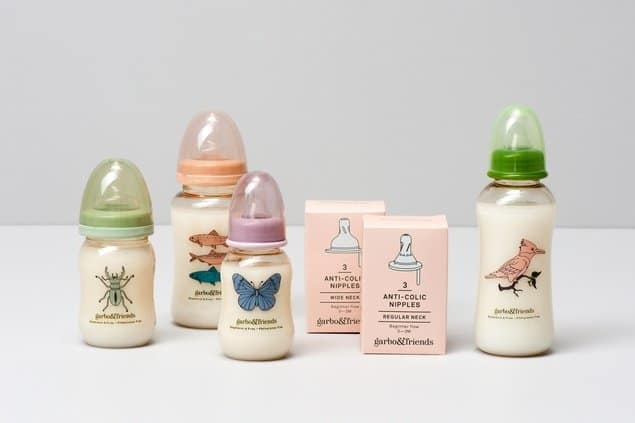
Choosing baby bottles can be an overwhelming process, given the sheer number of options available. Distinctions in shape, size and material are only the very tip of this milky iceberg, and it can be hard to wade through the options and make a purchase decision we feel confident in.
While babies are still adjusting to being part of the outside world, it’s especially important to protect their rapidly growing bodies by minimising any exposure to potentially harmful chemicals or substances. Public concern about the health risks posed by bisphenol-A (BPA), phthalates, lead and other chemical compounds has increased rapidly in recent years, as we as a society have become more aware of the need to protect ourselves and our families from the impacts of certain chemicals.
BPA
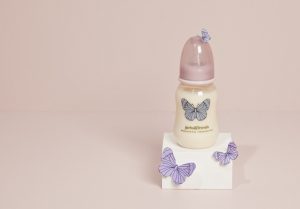 Particularly, there’s been ongoing public discussion about reducing the use of compounds such as BPA in food packaging and baby bottles. BPA is an endocrine disruptor, meaning that it’s a chemical that can interfere with the endocrine (or hormonal) system. The significant danger with BPA products is that the BPA may leach from the product, into the milk, in the case of baby bottles. The rate of BPA leaching from the plastic increases with heating of the container, for example microwaving or warming in hot water, or pouring hot liquid into the bottle.
However, BPA is not currently illegal in Australia. In 2010, the Australian Government announced a voluntary phase-out by major Australian retailers of polycarbonate plastic baby bottles containing BPA. This move was consistent with approaches taken by governments and industry in a number of other countries in response to consumer concerns about BPA.
However, the phase-out was entirely voluntary and manufacturers may still use BPA and other potentially toxic chemicals in the production of bottles, and other baby goods, so it’s important to be vigilant about reading labels and checking what bottles are made from. So what to look for? A product should be labelled as BPA-free. Since the voluntary phase-out, manufacturers are generally proactive in labelling their products as BPA-free.
 Phthalates and Other Nasties
Phthalates and organatin compounds, known as ‘plasticisers’, are chemicals used to soften plastics that would otherwise be brittle and crack when bent. These chemicals, like BPA, are known to be endocrine disruptors. Manufacturers are aware of consumer concerns about chemicals, and often will explicitly label or advertise the fact that their products, for example, are free from phthalates, organotin compounds and lead.
So What is Safe to Buy?
There are many safe options on the market, and like many other products, you often get what you pay for. Even some BPA-free plastics have a tendency to degrade over time and with cleaning, though it is possible to find premium grade BPA-free materials won’t doesn’t absorb odours, get cloudy or degrade with repeated cleaning.
The other consideration when buying baby bottles is to stock up in order to make your life easier. An extra bottle or two can make all the difference when you’re running late on your way out the door and trying to wash or find a recently-used bottle. It’s also a good option to leave a spare bottle of the same type that your baby is used to with any of your baby’s regular carers so that in a rush or an emergency, your baby has the comfort of their usual bottle.
So, feed your baby, enjoy the beautiful bonding opportunity and never be afraid to ask questions about the products you purchase. Baby goods are a big business and responsible manufacturers or retailers will be ready and able to provide you with the information and answers you’re looking for.
Article from: Elina Peedoson is a founder and manager of Nordlife – an Australian online boutique selling Scandinavian designers’ kids products – everything from clothes and dinnerware to bedding and nursery decor – and homeware. Join Nordlife on Facebook.