How to Create an Ideal Sleep Haven for Kids

A very easy thing you can do for your child to help them have a better sleep is to create a sleep haven for them. It’s been proven that about 15% to 25% of children have difficulty sleeping, and several parents are trying their best to know the reason their kids don’t want to stay in bed.
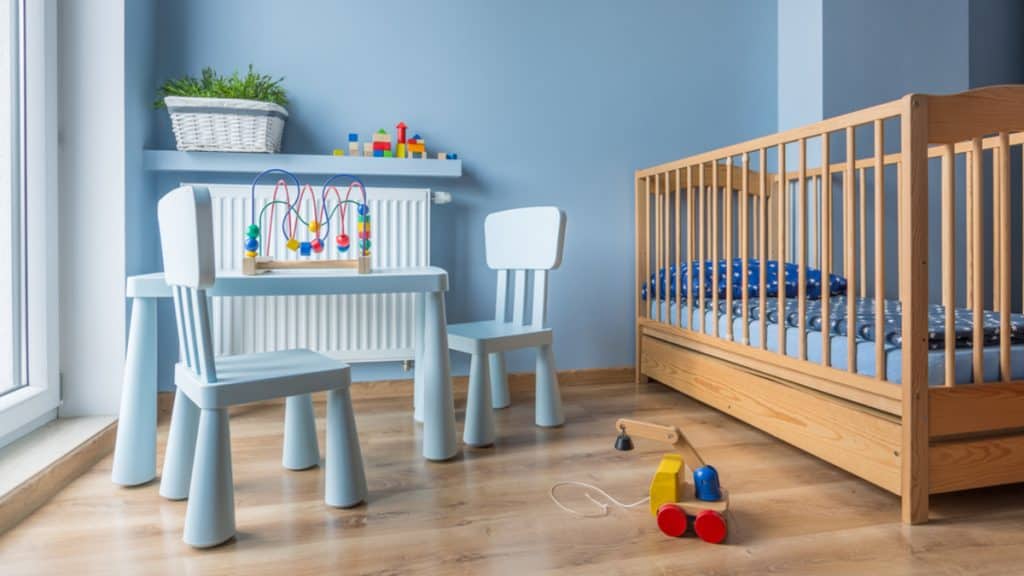
We’ve got several factors that could be the cause of your child’s inability to sleep, but one of the things you can easily address is where they sleep. Similar to adults, children will have better sleep when their bedroom is quiet, dark, and cool. If you are finding it difficult to get your kids to sleep, try out these options to create the best sleep haven for your child.
1. Tidy the bedroom
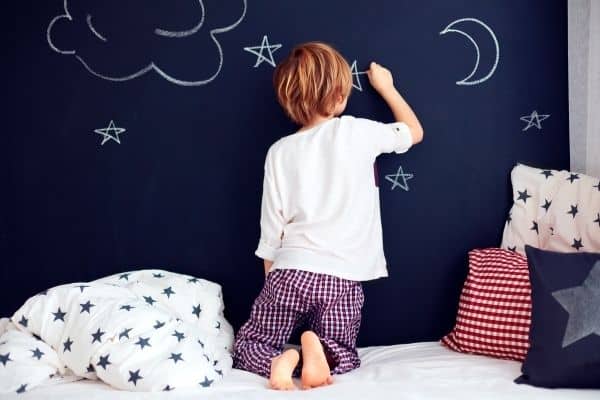
You should teach your child to see their bed as a place to relax as that helps them be good sleepers. One of their bedroom routines should be encouraging them to make sure their room is tidy and get rid of objects that make them lose focus on sleeping, like homework or toys. If possible, you should try to keep playtime and screens out of the bedroom as this will reinforce the idea that that’s a place to sleep.
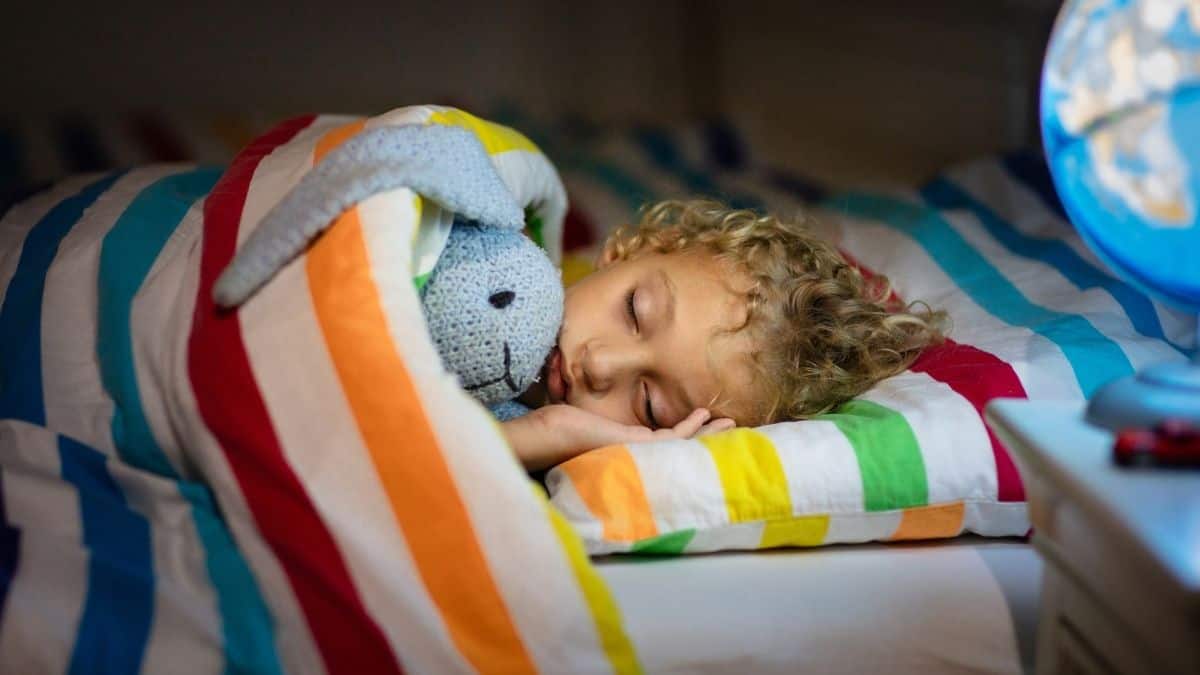
If you are thinking of a way to help your toddler sleep in the bed, you can leave a comfort object with them like a security blanket or teddy bear. With this, your child’s separation anxiety will reduce, and they’ll fall asleep without help from you. To prevent your baby from having tooth decay, do not leave a bottle with them overnight.
2. Use blackout curtains
It can be difficult for your child to fall asleep when they are exposed to bright lights from household lighting and electronic screens, as this delays the onset of melatonin (sleep hormone). It’s easy and affordable to get blackout curtains for your toddler or baby’s room to keep out external light. This is particularly convenient for early bedtimes, daytime naps, and a bedroom that’s exposed to excess street light.
3. Install a Nightlight
The darker your child’s sleep haven, the better. Nevertheless, placing a nightlight in the bedroom of your child may provide a much-needed security sense to children who are afraid of the dark. In addition, children whose nightlights are on would not have to turn on their overhead lights when they’re going to use the bathroom at night.
You can use a nightlight rather than an overhead light or lamp as this can help light levels remain low, thereby reducing stimulation and assisting them to sleep faster.
4. Select comfortable bedding, pillows, and mattress
In general, children sleep better when they’ve got their own bed when compared to sharing with their siblings or parents. Purchasing child-friendly bedding, pillows, and a mattress can transport your child to dreamland and make them wake up feeling refreshed.
Bed sharing, leaving your baby to sleep in the car seat or couch, and putting soft items in your child’s crib can put them at risk of SIDS (Sudden Infant Death Syndrome). When selecting bedding and mattresses for your kids, always follow the age-appropriate guidelines; that’s the reason it’s always advised that you check out mattress reviews online before deciding to purchase one.

5. Lower the Thermostat for Sleep
Make sure the bedroom temperature is cool as it helps to prepare the child’s body for sleep naturally. To have better sleep, the optimal bedroom temperature is around 66 to 70 degrees. Your child can now regulate the temperature by using the blanket or not.
For babies who can’t control their blankets, it is even more necessary to make sure the room temperature is comfortable and dress them in a sleep sack or onesie as appropriate. You shouldn’t over-bundle them because this can increase the risk of SIDS (Sudden Infant Death Syndrome).
6. Implement White Noise
One thing that commonly disrupts sleep quality is ambient noise from your house or outside the house. It’s quite unfortunate that several children aren’t able to get a very silent bedroom when sleeping, particularly when there are other people still awake in the house. In cases like this, you can use a white noise machine to help mask sounds from outside. When selecting white noise for babies, select a low-key and steady sound like a steady heartbeat or waves lapping, and ensure the volume is at a safe level for the hearing of your child.
Conclusion
By just making a couple of tweaks to the bedroom of your child, you can very much improve their sleep when they are at home or even at daycare. When children have healthy sleep, it’s been proven to help them have better performance academically and a reduced chance of developing health or mood issues. Create a consistent bedtime and excellent sleep habits now, and your child will be thankful in the future.