Save Money on Fresh Produce With These Useful Tips

When people talk about making good decisions, they rarely focus on the struggle that occurs when two good decisions seem opposed to one another. You probably know you should be eating more fresh fruits and vegetables. You probably also know you should be saving money. As inflation rates rise and supply chain issues multiply, it’s becoming increasingly difficult to manage both at the same time. To help with this, the following will look at a few ways you can save money on fresh produce.
1 Grow What You Can
Once upon a time, most families grew at least a portion of their food. As food insecurity rises across the globe, people are turning back to this approach with fantastic results. With the resources available on the internet, it’s never been easy to start growing some of your own produce.
Take the time to learn about what will grow in your climate and research seed quality. Seed quality can make a major difference in how healthy what you grow is. You want organic, non-GMO seeds. No exceptions. But this isn’t as big of a challenge as you might expect; the cost of organic, non-GMO seeds is comparable to that of standard seeds. They can be ordered online if you don’t have them in your local department store or garden center.
You also want to do a little research on soil health. The nutrients in the soil impact the nutritional makeup of the food you grow, and this means that poor soil can produce fruits and vegetables that are less nutrient dense than good soil. The scary news is that across the globe, soil is becoming less nutrient-dense, meaning produce has fewer nutrients. In a thirty-year span, fruits and vegetables have been found to have, on average, 27% less calcium, 37% less iron, 30% less vitamin C and 21% less vitamin A.
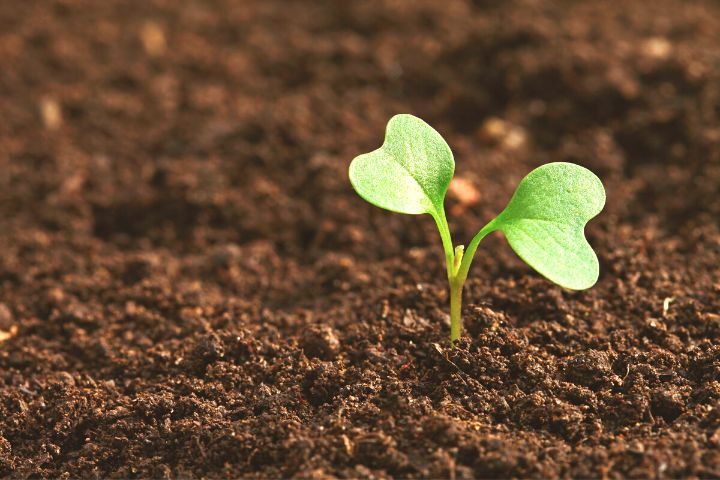
To encourage healthy soil:
- Understand that microbiology is a major component of how good your soil is; pesticides kill the microorganisms within the soil that could benefit your health.
- Compost all your food scraps to encourage nutrient-dense soil.
- Buy worms and put them into your garden.
- Scatter dynamic accumulators throughout your garden; these are plants that have root systems that reach deeper than average plant roots allowing them to pull nutrients up to the surface and into their leaves; when their leaves fall off in the autumn and are left to decay, the nutrients they gathered are left for the rest of your produce to absorb.
- Scatter woodchips throughout your vegetable garden to encourage a fungi-dominant soil; mushrooms built intricate root systems beneath the ground that connect plants’ roots into super systems that are better able to access nutrients and share them with the plants that need them most.
- Understand that the soil and fertilizer you can buy will not provide as many benefits as following the rest of these steps will.
2 Source Your Bought Produce With Care and Awareness
Of course, depending on your climate and the time you have for gardening, you’re likely not going to be able to grow everything you want or need. When it comes to buying produce, try to cut out the middleman and go straight to the source. Look for fruit wholesalers and local farmers who can provide you with boxes of produce; this is often way less expensive as there’s no cut going to the grocery stores to pay for their staff, delivery, utilities and building maintenance.
This is also a fantastic opportunity to seek out providers of products that meet your health and environmental goals. Industrial farming produces a ton of problems, both when it comes to the health of the people who eat the food produced and when it comes to the environment. When seeking out a primary-source provider, ask them about pesticides, GMO usage, soil depletion and soil infertility.
3 Forage
Foraging is a lost art that’s making a comeback. Once you understand the benefits of it, it’s not hard to understand why. There was a brief discussion of soil health above; forests are naturally brilliant at encouraging healthy soil. This means that wild-foraged fruits and vegetables tend to have a much better nutrient density than fruits and vegetables grown by farmers or gardeners. Foraging is also free and fun.
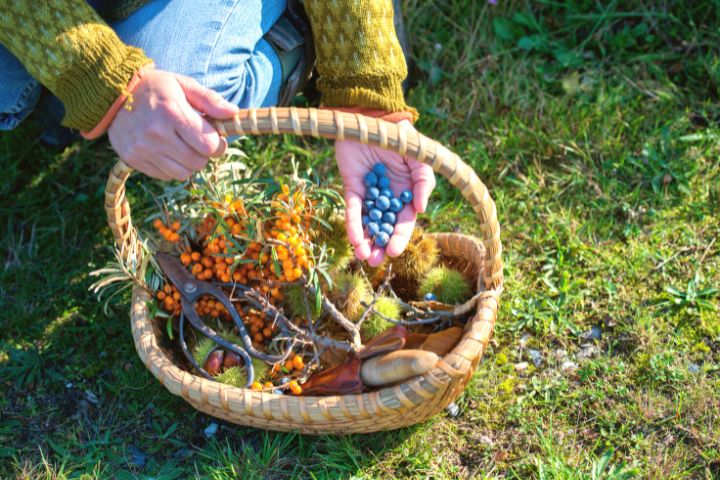
Of course, if you’re new to the world of foraging, it’s a good idea to take a course as you don’t want to forage anything that could harm you. There are both free and paid options online, and many townships have a local forager who teaches in-person classes involving walking through the local landscape and learning about what plants are available.
Foraging is one of the best ways to increase the variety of produce you’re eating, giving your body a ton of micronutrients it’s probably craving. Just remember, don’t forage anything you’re not able to identify with complete confidence. It’s okay if your first few treks are just for learning. You also want to avoid foraging near roads where car fumes and other toxins can negatively impact plant health.
4 Seasonal Shopping and Preservation
Finally, one of the best ways to cut costs when it comes to seeking produce is to focus on in-season produce. Tomatoes don’t grow all year round in most places. Neither do berries. This means they need to be shipped great distances if you want to be able to buy them out-of-season. This increases the cost, sometimes dramatically.
It’s okay if you want to be able to eat out-of-season produce, but rather than buying them at the grocery store or market, look for ways to preserve the fruits and vegetables you get in-season so that they’re accessible to you all year round. Most fruits and vegetables can be frozen and thawed later. A wide variety of fruits and vegetables can be fermented in honey or brine, where they’ll gain a ton of extra nutrients as they wait to be enjoyed. This can save you a ton of money while allowing you to enjoy your favourites all year round.
Final Thoughts
The above information should have outlined a few key ways you can enjoy fresh, healthy produce while also keeping your food costs low. As we move into a time of great inflation, it’s a good idea to look for simple ways to save money without sacrificing your health.