7 Ways to Help Treat Acid Reflux in Pregnant Women

GORD is a disease that emerges from regular acid reflux. This disease is among the most aggravating side effects of pregnancy—alongside heartburn or an unpleasant burning sensation in your chest after eating.
Some women experience it after eating spicy foods, whereas others feel it after taking large meals, lots of citrus foods, or anything related.
GORD primarily occurs when the diaphragm muscles and lower esophageal sphincter (LOS) move below the upper stomach, allowing acid to leak into the esophagus.
Additionally, GORD can happen when the two muscles (diaphragm and LOS) become weak with time, causing LOS to open, consequently allowing the acid to flow backward into the esophagus.
Fortunately, this disease is controllable. Some expecting moms prefer antacids and other medications; on the other hand, others are keen on natural remedies.
Why Acid Reflux Happens
Heartburn can be frequent during pregnancies, thanks to the hormonal changes taking place at this time. It can also be caused by the baby’s growth, which often causes stomach compression, making the stomach content go back into the esophagus.
Additionally, diet can cause heartburn during pregnancy. Therefore, it’s advisable to avoid fatty foods and caffeine content and stop taking liquids when eating. In some incidences, specialists may recommend some types of medication, like Dimethicone.
1. Try Ginger
Ginger is well recognised for its ability to alleviate nausea, but it may also be soothing to the digestive tract. It has been established to help alleviate nausea and vomiting caused by heartburn.
You may try incorporating natural ginger into your diet by grating it into a stir-fry or heating it in water for tea. Alternatively, you can get ready-made ginger tea or pills.
2. Eat Smaller Meals Throughout the Day
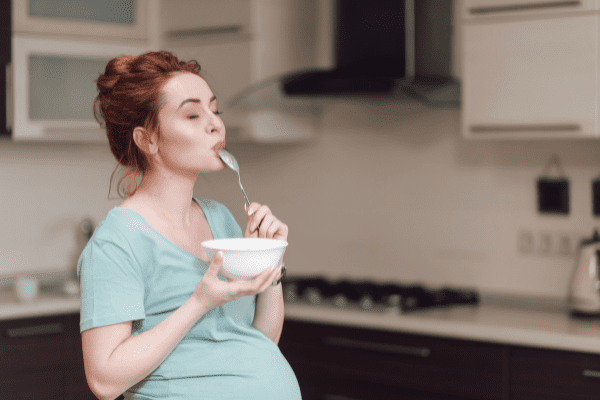
For those experiencing morning sickness, eating in bits is generally not an issue. However, if your appetite is good, avoid overeating.
An excessively full stomach might lead to heartburn, just as it does when you’re not pregnant. Instead of three large meals, attempt five or six smaller ones throughout the day.
3. Try Herbal Tea
Peppermint, marshmallow root and slippery elm have soothing effects and are generally safe during pregnancy.
However, before consuming any herbs or herbal teas while pregnant, consult with your healthcare physician. After supper, try sipping one of these teas available at health food stores to see if they provide natural heartburn alleviation.
4. Use Probiotics
The bacteria in our guts foster the overall health of our digestive system. A probiotic supplement boosts the amount of “good” bacteria in your digestive tract, which helps to counter “bad” bacteria.
According to the American Pregnancy Association (APS), probiotics are safe during pregnancy: however, more research is needed to ascertain this fact.
5. Pineapples and Papaya Might Help
Foods high in digestive enzymes, including pineapple and papaya, may help relieve heartburn caused by sluggish digestion.
Taking these fruits as a snack after meals aids digestion. Pineapple and papaya enzyme pills are also available, though you should consult your healthcare professional before using any natural heartburn cures or supplements while pregnant.
6. Understand What Causes Acid Reflux
Expectant moms suffering from heartburns are discouraged from taking fat, chocolate, caffeine, and citrus.
However, what leads to reflux in one woman may not be a cause in another. Some pregnant women can consume spicy Mexican cuisine or a dish of spaghetti and meatballs without feeling uncomfortable.
If you’re unsure about the GORD symptoms, you can see a gut specialist for GORD treatment to explain more and help you understand everything succinctly.
7. Get an Antacid
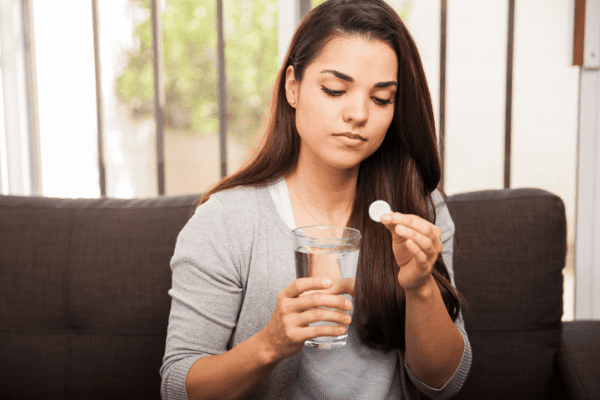
If lifestyle adjustments aren’t enough to relieve your heartburn, over-the-counter antacids may come in handy.
Calcium or magnesium antacids are safe to consume throughout pregnancy. Plus, the increased calcium in antacids is beneficial to both mom and baby.
However, avoid aluminium-containing antacids because they can induce constipation and are poisonous in excessive dosages. Avoid sodium bicarbonate (baking soda) as well, as it might cause edema.
Heartburn is one of the most reported problems among expectant mothers. If severe pregnant heartburn interferes with your daily life, you should seek GORD therapy from a gut expert.
If you experience any issue regarding GORD or any other pregnancy-related problems, consider seeking professional support.