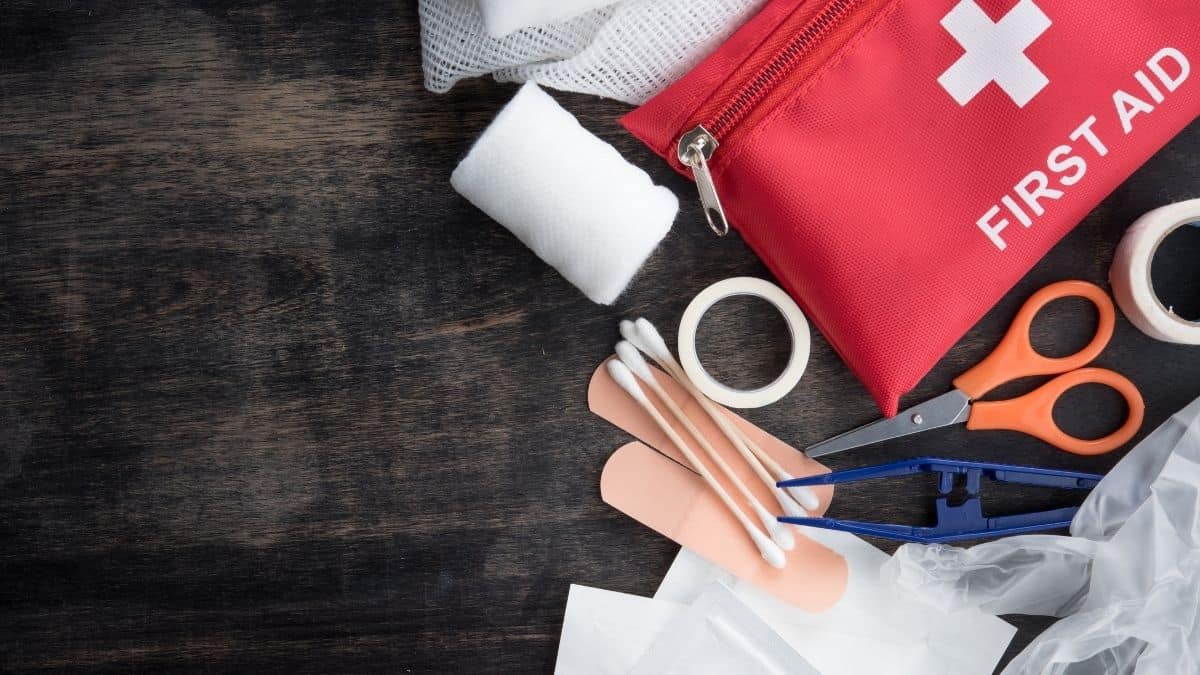
What A New Mum Needs To Know About First Aid

As a new mother, facing several worries and fears regarding your child’s health and safety is normal. Most new parents, especially new mums, will often take unnecessary trips to the hospital and doctors to triple-check that everything is okay with their children. While this isn’t advised against – especially if something does seem alarming – it’s important to trust yourself, your natural instincts and abilities to care for your children.
If you aren’t yet confident in your capabilities and knowledge when caring for the occasional bump or more serious injuries, in this article, you’ll some basic first aid to tend your child – or any child, for that matter – before emergency services arrive.
Advantages of Knowing First Aid
Being well equipped with first aid skills will not only bring you peace of mind knowing that you can effectively cater to your kid’s needs, but you’ll also be able to attend to other children and adults in emergencies.
You’ll also be able to:
- potentially save lives,
- increase comfort while waiting for emergency services,
- prevent situations from worsening, and
- encourage healthy and safe living.
Identifying the common causes of injuries in babies and children is also a key knowledge in first aid, in order to be able to promptly identify and react to them.
The most common causes of injuries in children include the following:
- Falls
- Burns (hot water, exposure to sun, fire)
- Poisoning (interaction with harmful substances)
- Drowning
Learning first aid basics as taught by professionals such as Australia Wide First Aid will help you remain calm in times of accidents.
When to call for emergency assistance
When and when not to call for emergency help may seem like a no-brainer. The slightest hesitation can, however, potentially lead to worsening symptoms and/or death, if circumstances are severe. Therefore, you must learn to identify the signs that will require you to seek immediate assistance.
Some signs and symptoms you’ll need to spot include:
- unconsciousness or difficulty waking;
- unable to recognise surroundings;
- seizures or convulsions;
- trouble breathing;
- lethargy and/or extreme sleepiness;
- allergic reactions like swollen lips, wheezing and/or trouble swallowing, speaking or breathing; and
- severe bleeding.
However, head injuries are more serious, and you should seek immediate medical help when these symptoms arise:
- Numbness
- Weakness
- Confusion
- Dizziness
- Severe headache
- Vision loss
Administering cardiopulmonary resuscitation (CPR)
You may think that leaving CPR up to the professionals is the way to go, and in general this may be the case. However, knowing how to properly administer CPR – especially on children and babies – is crucial as every second counts.
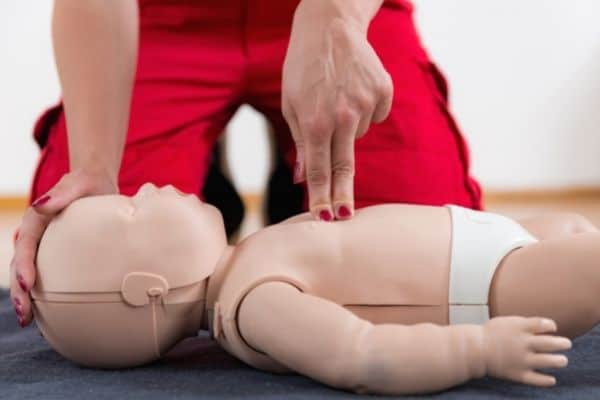
First and foremost, check for any airway blockages and clear them, if possible, before administering CPR. If the baby still isn’t responding, it’s time for CPR. Follow these steps:
- Place the infant or child on their back.
- Locate the sternum (breastbone) in the centre of the chest.
- Place two fingers over the lower half.
- Press down at a depth of approximately one-third on the child’s chest.
- Release pressure.
- Administer 30 compressions (pressing down and releasing is considered one compression).
- Carefully tilt the baby’s or child’s head back slightly.
- Lift the infant’s or child’s chin.
- Place lips over their nose and mouth.
- Blow for 1 second and watch chest rise.
- Remove mouth from infant and see if chest falls.
- Repeat sequence above with another breath.
- Wait for medical help to arrive to assist further.
Saving a choking baby
Witnessing your child choke on something is one of the scariest experiences any new mum will try to avoid getting in to. As anything can happen at any time, understanding how to properly assist them is, therefore, crucial, which could save them precious time. Encouraging them to cough is recommended as this may remove any obstacles lodged in their throat. If they’re too young to understand this request, remove the blockages yourself by doing the following:
- Heimlich manoeuvre: You can do this if the child is old enough not to be hurt by the action.
- Back and chest thrusts: Do this for children younger than one year old.
Take note, however, that knowing how to properly perform these actions can help your child when they’re choking rather than worsening their situation.
Properly treating a wound
At one time or another, your child may come home with a nasty cut, scratch or even an animal bite. Popping a Band-Aid on the wound may not be enough to ease the pain and aid in proper healing. Appropriate washing, bandaging and applying antibiotic cream, if necessary, could help mitigate or avoid any serious complications.
Keeping an eye out for infections (inflammation, pus, soreness), especially if an animal bite is the culprit, is also essential – as well as seeking medical assistance if symptoms worsen.
Stopping a bloody nose
If your child is suffering from a bloody nose, follow these steps:
- Lean them forward, not back.
- Pinch the nose (correctly) just below the bony bridge, but don’t pinch nostrils shut.
- Stay upright.
- Ice packs may also help, as well as nasal decongestant sprays.
Treating a burn
Caring for a burn may be done by running the area under cool water for approximately 20 minutes, wrapping it lightly in nonstick material/plastic and keeping burned limbs raised. Applying burn ointment and providing the child with pain relief are also recommended to mitigate pain. Depending upon the severity of the burn, seek medical assistance immediately.
Final Thoughts
As a new mum, you’ll always put your family’s safety first, and finding your child suffering from an injury or illness can be a harrowing experience—one you’d want to avoid, if necessary. While understanding basic first aid principles is necessary in order to be prepared for anything, seek medical professional help immediately to avoid anything more serious and teach your children the importance of safety.